Blog · Fertility · 5 min read
Fertility clinic privacy: marketing that protects patients
How to market a fertility centre without exposing anyone: discreet messages, consent, who sees enquiries and ads that never follow people around.
By the Kren Agency team ·
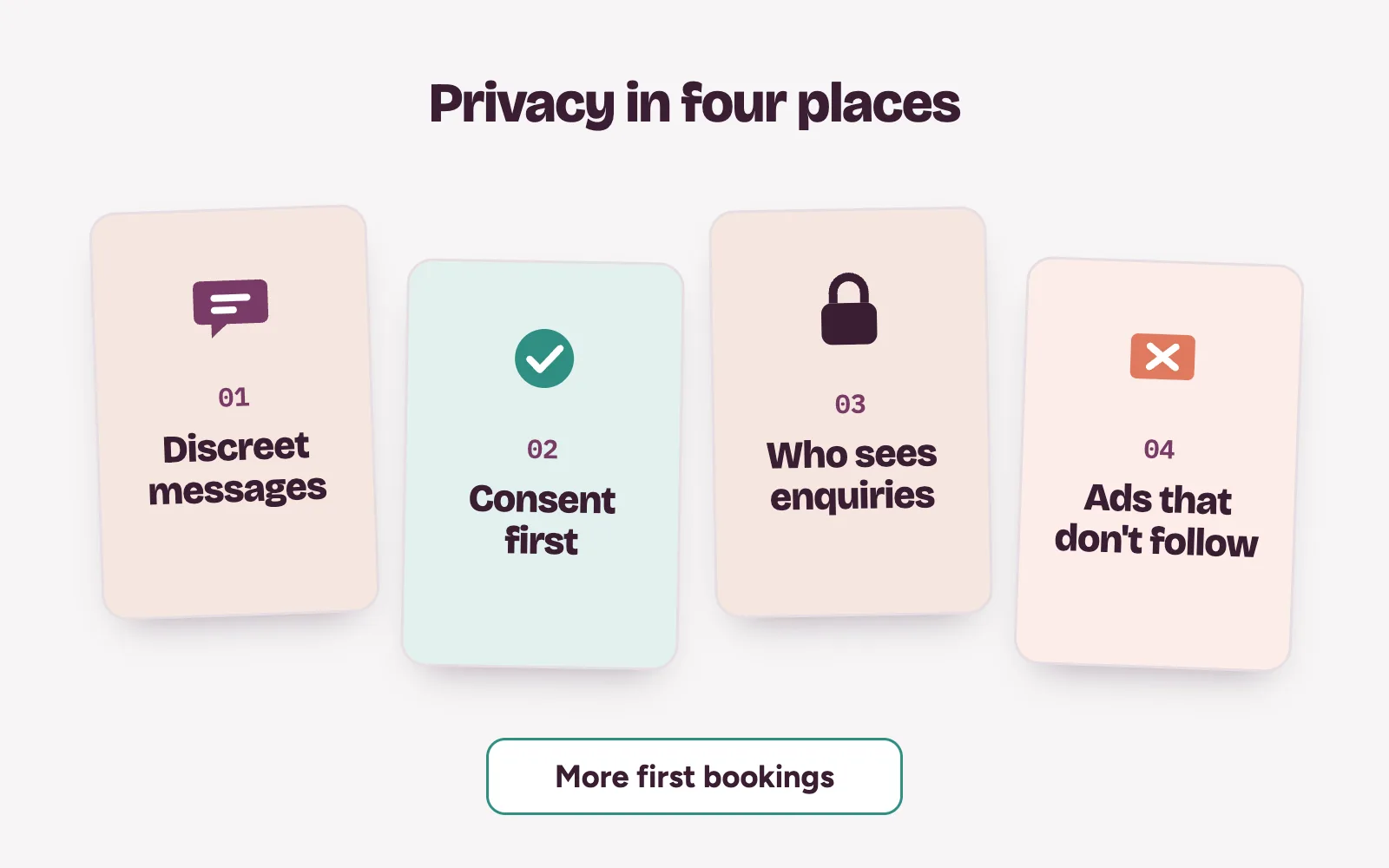
Fertility clinic privacy means a couple can find you, contact you and book with you without anyone else learning why. In marketing terms, that covers four things: the words in your messages, the consent you ask for, who on your team sees each enquiry, and which ads follow people around the internet. Get these right and more first enquiries turn into first consultation bookings.
Why does privacy decide who books?
Many couples tell nobody about fertility care until they are ready. Phones are shared. Laptops sit on the family table. A colleague glances at a screen.
One careless reminder or an ad at the wrong moment can end the conversation. They will not complain. They will quietly choose another centre.
Our post on fertility clinic marketing in Nigeria covers how couples find and choose a centre. This one covers the privacy layer underneath all of it.
What does Nigerian data law say about fertility enquiries?
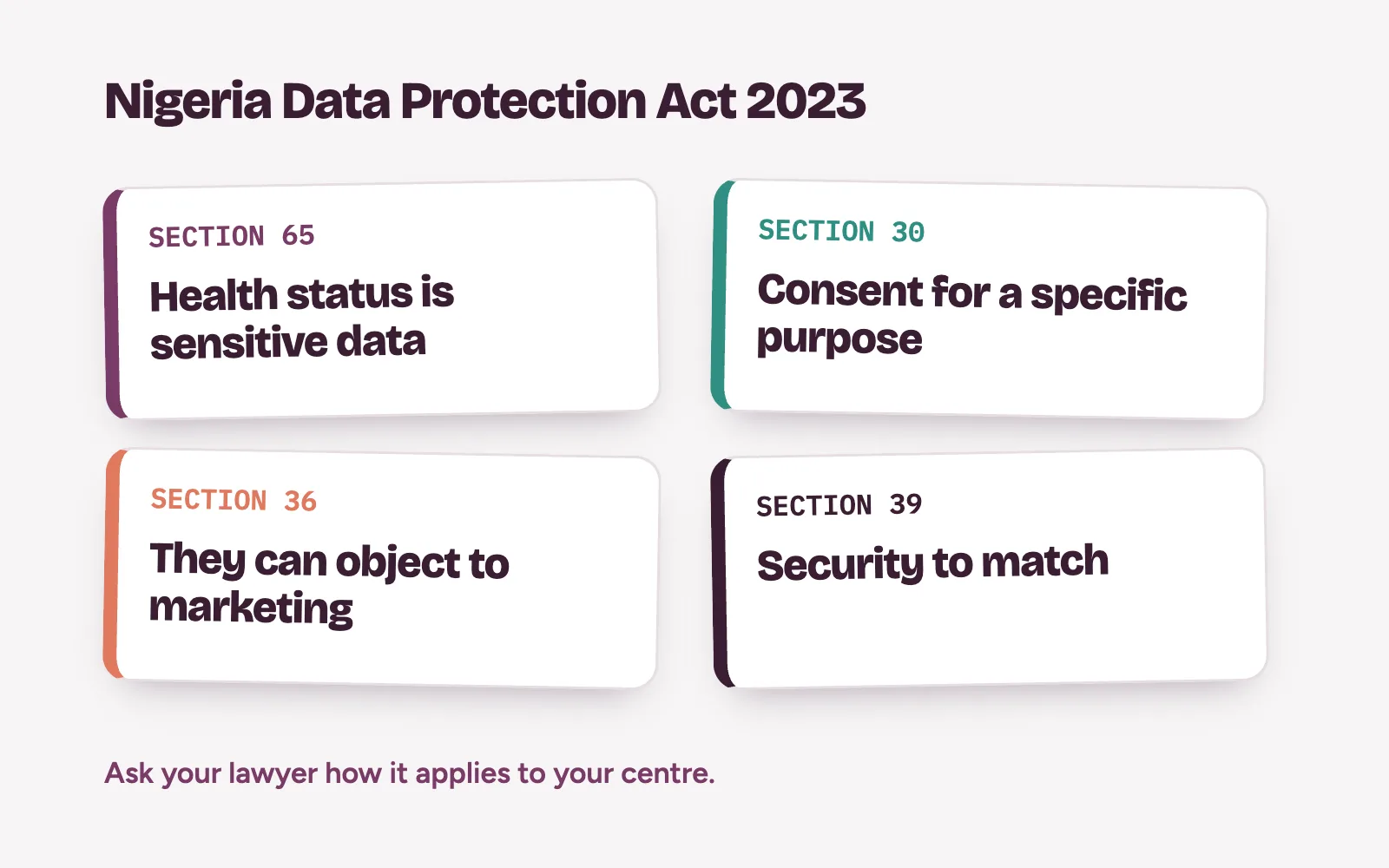
The Nigeria Data Protection Act 2023 is the main law here. Four parts matter for fertility marketing (Nigeria Data Protection Act 2023):
- Section 65 defines "sensitive personal data". The list includes a person's health status and sex life.
- Section 30 says sensitive personal data must not be processed unless a listed ground applies. The first is consent, given and not withdrawn, for the specific purpose. Another covers medical care by a professional who owes a duty of confidentiality.
- Section 36 gives people the right to object, at any time, to their data being used for direct marketing. Once they object, it must stop.
- Section 39 requires security measures that take into account how sensitive the data is.
In plain terms: the care itself sits under medical confidentiality, but marketing to someone is a separate purpose. Ask for clear consent before you market to them, and stop the same day they say no. Take advice from your lawyer on how the Act applies to your centre.
Who on your team should see a fertility enquiry?
Fewer people than you think. In many clinics, every enquiry lands on one front-desk phone half the staff can open.
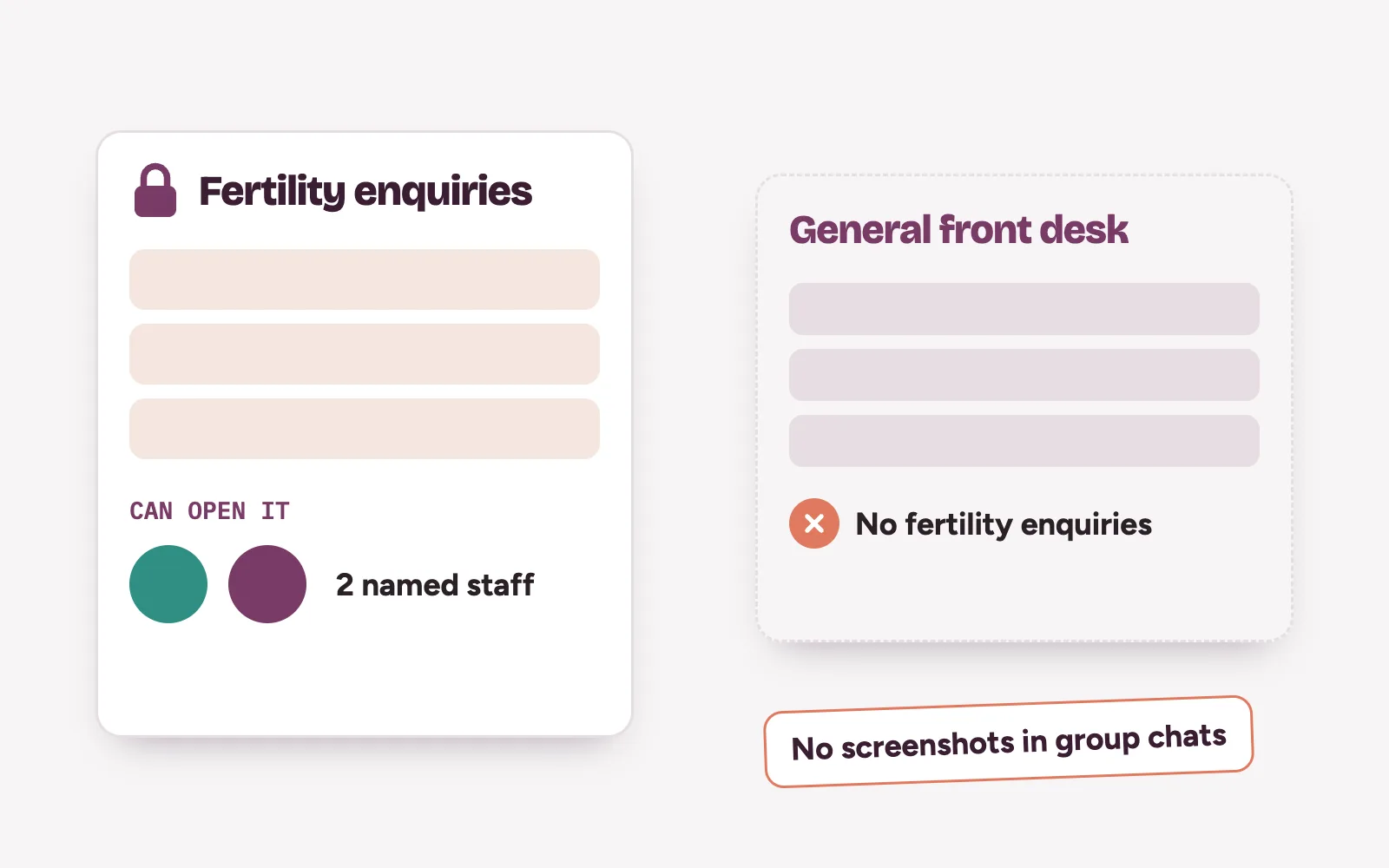
- Name the people. Pick the two or three staff who handle fertility enquiries. Everyone else does not need to see them.
- Lock the devices. Shared phones and front-desk computers need a passcode and a screen that locks quickly.
- Stop forwarding. No screenshots of enquiries in staff group chats.
- Remove access fast. When someone leaves, their access goes the same day.
Your marketing partner should only see what it needs to do the work, such as how many enquiries came in and from where.
Which ads can embarrass a patient?
Retargeting is the usual problem. Someone reads your IVF page once, then sees fertility ads for weeks on the family laptop.
Google already limits this. Its personalised advertising policy treats health as a sensitive interest category and lists "treatments for pregnancy and infertility" as an example. For these ads, advertiser-curated audiences are not supported, including customer match, your data segments, audience expansion and lookalike segments (Google Ads policy: health in personalised advertising).
Meta's Advertising Standards on personal attributes say ads must not assert or imply personal attributes, including physical or mental health. "Do you have diabetes?" is one of Meta's own examples of what is not allowed.
What this means for your ads:
- Never upload a list of patients or enquirers to build an audience.
- Target by location and age around your centre, not by what someone browsed.
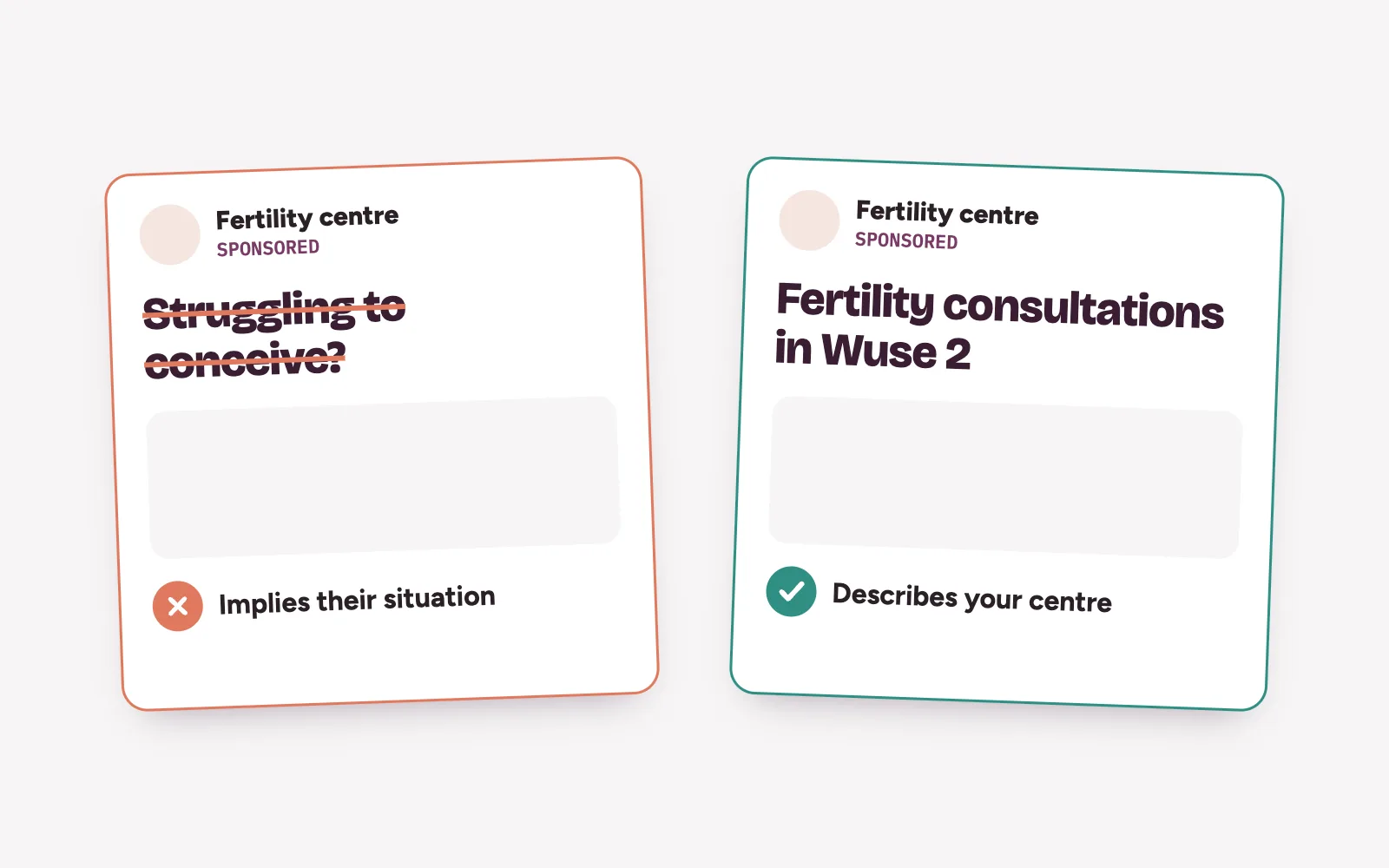
- Write about your centre, not the reader. "Fertility consultations in Wuse 2" works. "Struggling to conceive?" does not.
- Send ad clicks to a page or a private message route, never a public comment thread.
How do you keep messages discreet?
Write every message as if someone else will read it first. A few habits cover most of it:
- Use your clinic's general name as the sender, never a treatment name.
- In the first reply, ask how they prefer to be contacted: call, message or email, and when.
- Keep email subject lines and voicemails plain, with no treatment named.
- Never ask for medical history by chat or form. That belongs in the consultation.
- Never add anyone to a broadcast list without a clear yes.
For the follow-up messages that come after a yes, see IVF follow-up with consent. For reminder wording, see SMS appointment reminders.
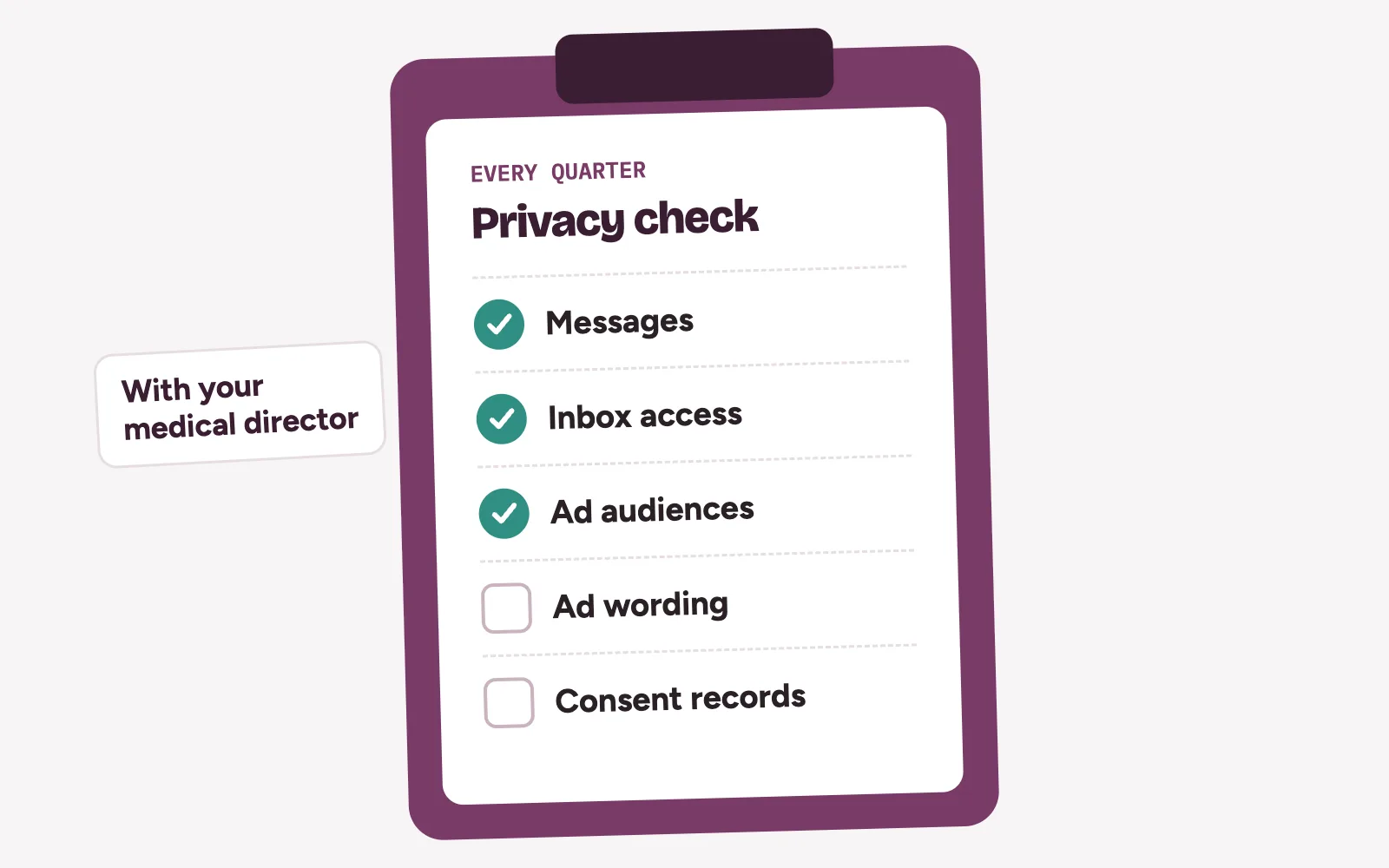
A privacy check for your marketing
Run this once a quarter with your medical director:
- Read your last ten replies and reminders. Would any reveal fertility care on a shared screen?
- Check who can open your enquiry inbox and phone today.
- Check your ad audiences. Remove any built from patient or enquiry lists.
- Read your live ads. Does any line imply you know the reader's situation?
- Check that every person you market to said yes, and that stop requests were honoured the same day.
Where Kren fits
Kren is a done-for-you growth team for private clinics in Lagos and Abuja. For fertility centres, we set up and run the ads, enquiry routes, consent questions, acknowledgements and reminders. Your team handles the sensitive conversations, the final follow-up and every booking. See our follow-up automations for the detail.
Questions clinic owners ask about fertility clinic privacy
Do we need consent to reply to a fertility enquiry?
Replying to someone who contacted you is part of answering their request. Adding them to marketing messages is a separate purpose, so ask first. Take legal advice on how the Nigeria Data Protection Act 2023 applies to your centre.
Can we retarget people who visited our IVF page?
Google does not support advertiser-curated audiences, such as your data segments, for ads in the health category, which includes infertility treatment. Even where a tool allows it, following people with fertility ads can feel intrusive. Target by location and age instead.
What should a fertility ad never say?
Anything that implies you know the reader's situation, any promise of a result, and any success rate. Describe your centre, your specialists and how to ask privately.
Want to know where privacy gaps are costing your centre first consultations? On a 30-minute strategy call, we look at your ads, enquiry routes and messages. Show me where my clinic is losing patients →