Blog · Licensing · 6 min read
HEFAMAA registration: how to register a private clinic in Lagos
Who must register, what to prepare, each step on the e-HEFAMAA portal and when to renew, taken from the agency’s own website and portal documents.
By the Kren Agency team ·
HEFAMAA registration is the legal licence to run a private clinic in Lagos, and you need it before you open. You apply online on the e-HEFAMAA portal, submit your documents and staff details, pay the invoice, pass a physical inspection and receive a Provisional Certificate of Operation. After that, you renew every year between 1 January and 31 March.
Below: who must register, what to prepare, each portal step and how renewal works, all taken from the agency’s own website and portal documents.
Who needs HEFAMAA registration in Lagos?
The Health Facility Monitoring and Accreditation Agency (HEFAMAA) was set up under Lagos State’s Health Sector Reform Law of 2006. Its registration page is blunt: no person may establish or run a health facility on premises that aren’t registered with the agency (HEFAMAA: registration of a health facility).
The schedule covers private clinics, hospitals, dental clinics, physiotherapy clinics, diagnostic centres, medical laboratories, maternity centres, eye clinics, dialysis centres, assisted reproductive therapy centres, home care and mobile clinics, among others.
Three rules catch new owners out:
- Clinic or hospital. A clinic offers outpatient care and observation before referral, and may not have more than two beds. Admissions and full emergency care make you a hospital.
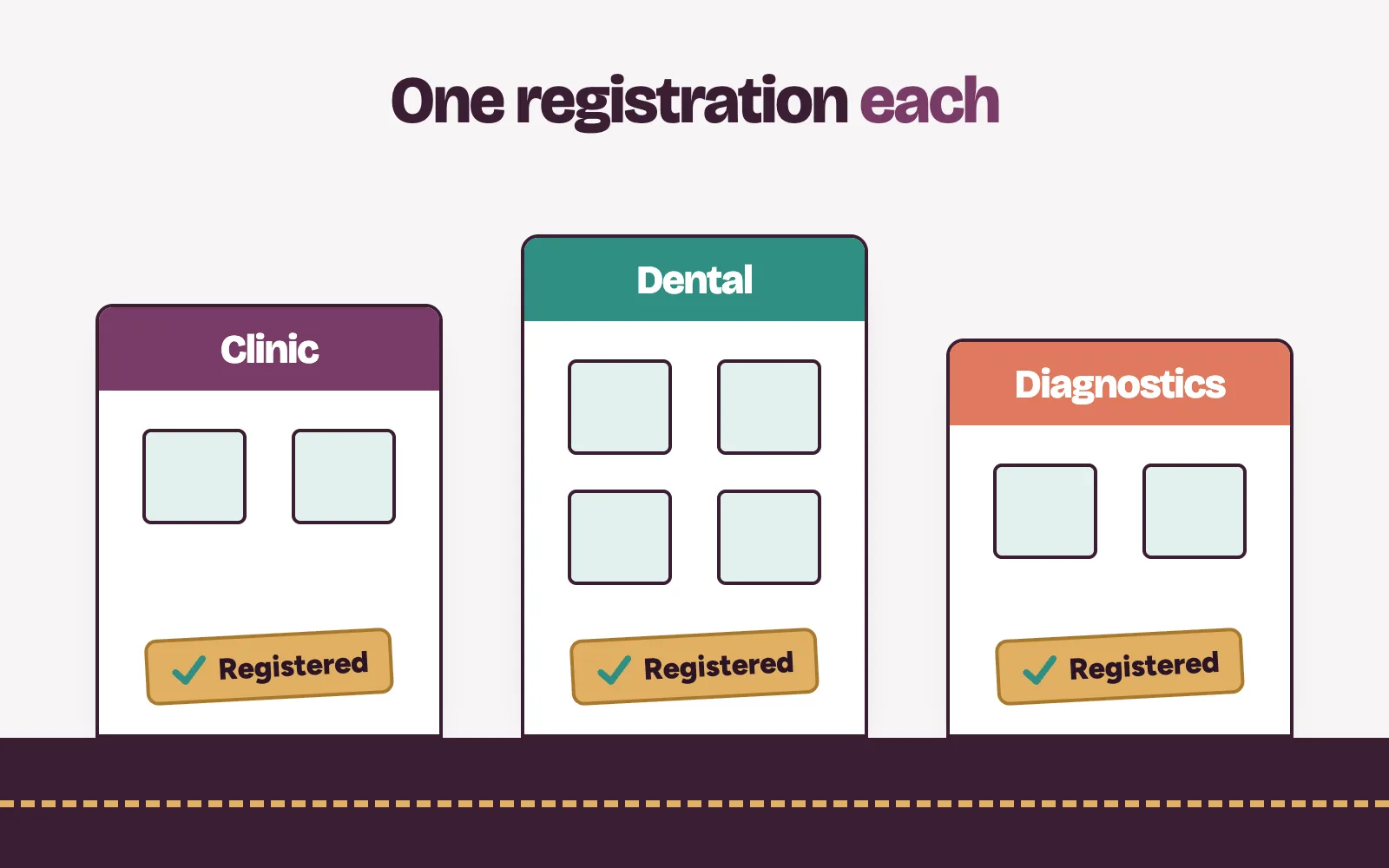
- Every branch counts. A main site and an annex need separate registrations, even under one owner.
- Owners need not be doctors. A non-medical owner is allowed if the operating officer is a qualified practitioner with current licences, at least five years’ post-graduation experience, and a signed bond with HEFAMAA.
What to prepare before you start
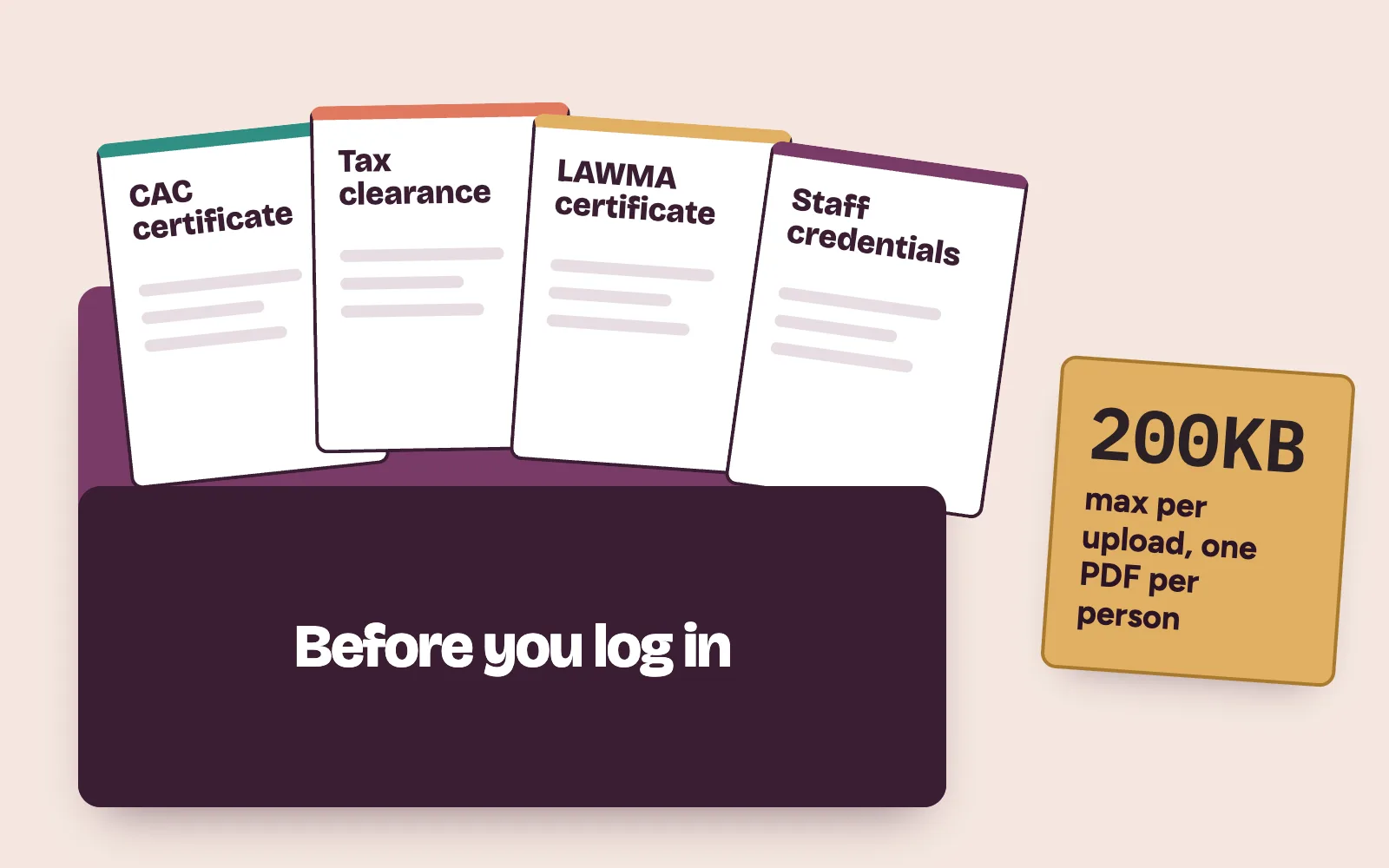
Gather these before you log in:
- A hand-written letter of intent to the Commissioner for Health, scanned
- CAC registration certificate and your CAC number
- Current tax clearance certificate
- LAWMA medical certificate
- A letter of introduction from the operating officer’s professional association
- HMIS clearance
- Each professional’s credentials, scanned into one PDF per person (the portal caps each upload at 200KB)
- Your facility’s exact latitude and longitude
HEFAMAA also expects you to verify every staff licence yourself. For doctors that means the MDCN portal; for nurses and midwives, the NMCN portal.
How to register a clinic with HEFAMAA, step by step
These steps follow the e-HEFAMAA portal’s own user manual. Screens can change; follow what the portal shows.
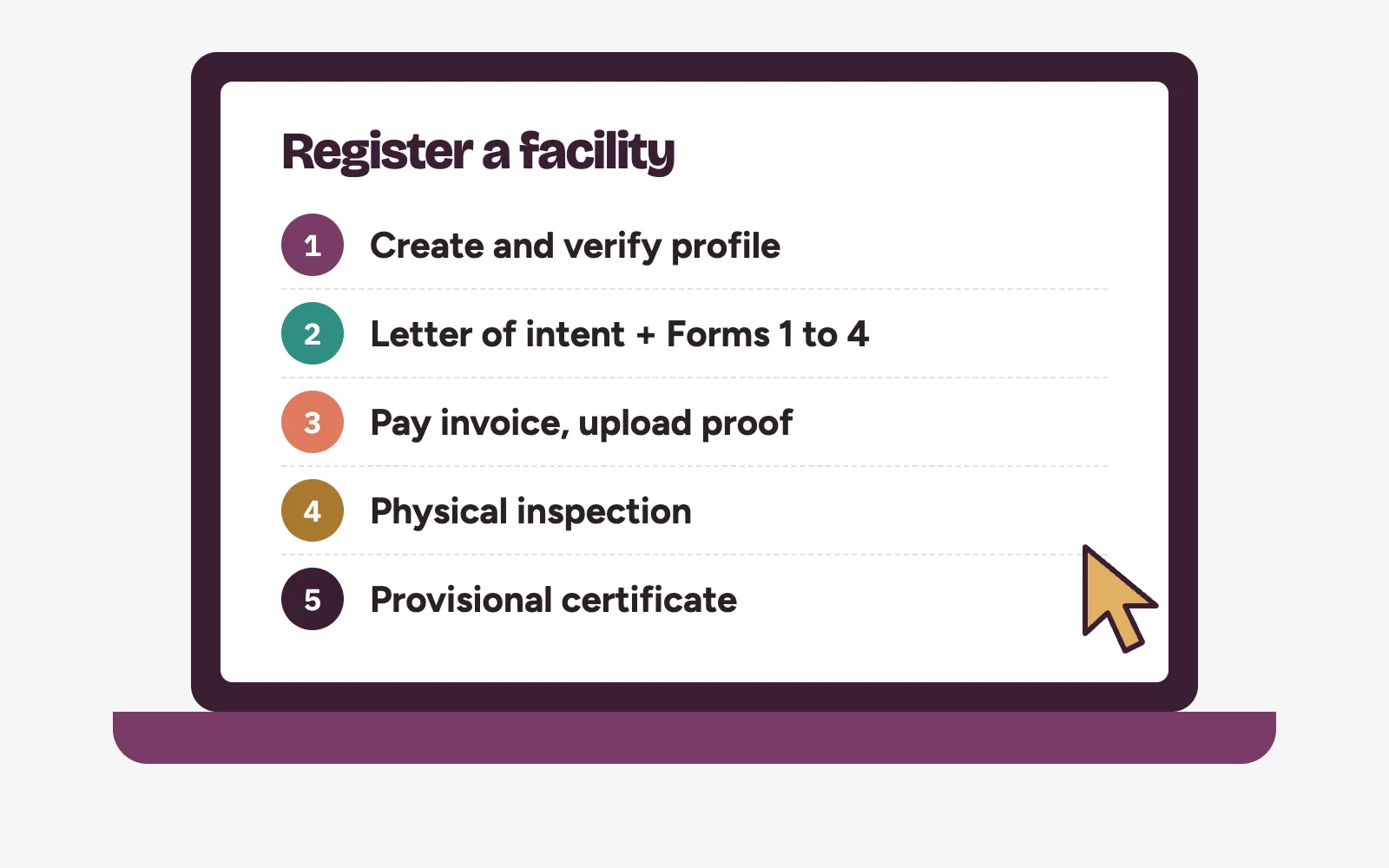
- Create a user profile on the e-HEFAMAA portal with a unique email address, then verify it from the email the portal sends.
- Start the application. In the dashboard, open Facility Management, then Registrations, then click Register Facility.
- Upload your letter of intent to the Commissioner of Health.
- Form 1: the facility. Name, category, address and coordinates, phone, CAC number, local government, proprietors, opening hours, building type and scope of services. Only hospitals may run 24 hours.
- Form 2: the premises. Couches, observation and admission beds, toilets, water and power supply, and how you dispose of refuse, human waste and medical waste.
- Form 3: the operating officer. Qualifications and registration number, plus the document uploads listed above.
- Form 4: your staff. Download the Excel template, list every professional and non-professional staff member, upload it, then attach each person’s credentials.
- Submit and pay. Submitting generates an invoice with the amount and HEFAMAA’s bank account. Pay, quote the invoice number in the narration, then upload proof of payment as a PDF under Payment.
- Inspection. First-time applications get a physical inspection. A satisfactory report recommends you for approval.
- Certificate. Once approved, the portal generates a Provisional Certificate of Operation. You collect the physical certificate from the agency’s office later.
What inspectors look for, and what happens after
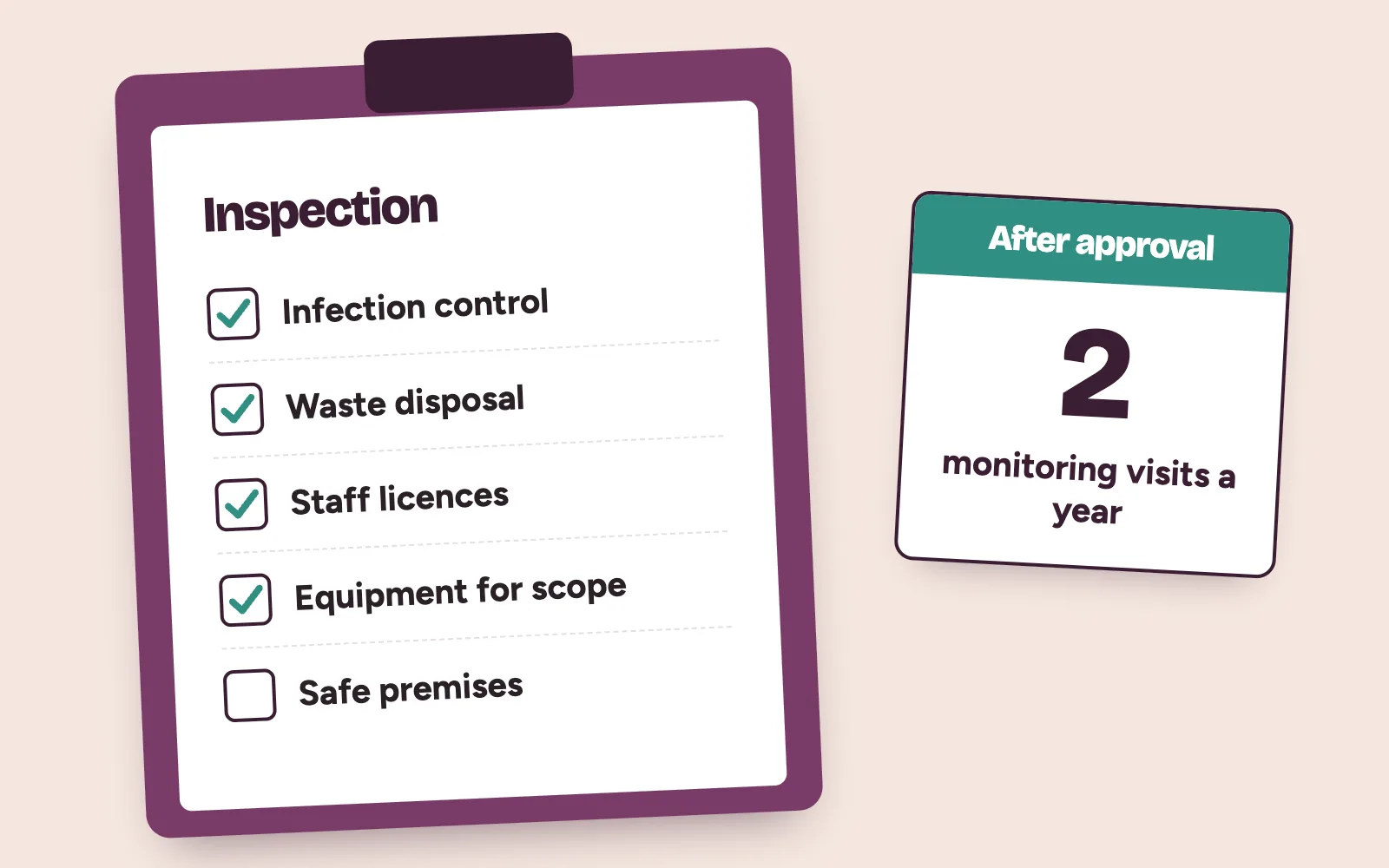
HEFAMAA’s FAQ says one inspection happens before final registration, plus follow-up visits if problems come up. Once registered, the agency or its accredited organisations visit twice a year for monitoring (HEFAMAA FAQs).
The agency prefers a purpose-built building. Where that isn’t possible, it expects strict infection control and waste management, and safety for patients, staff and neighbours. Equipment and staffing depend on your scope of services, set out in the HEFAMAA handbook.
Know the offences too. Operating outside your registered category, giving information that puts you in the wrong category, and changing your operating officer without telling the agency are all monitoring offences. The FAQ lists a ₦100,000 fine for running unregistered.
HEFAMAA renewal: dates and late charges
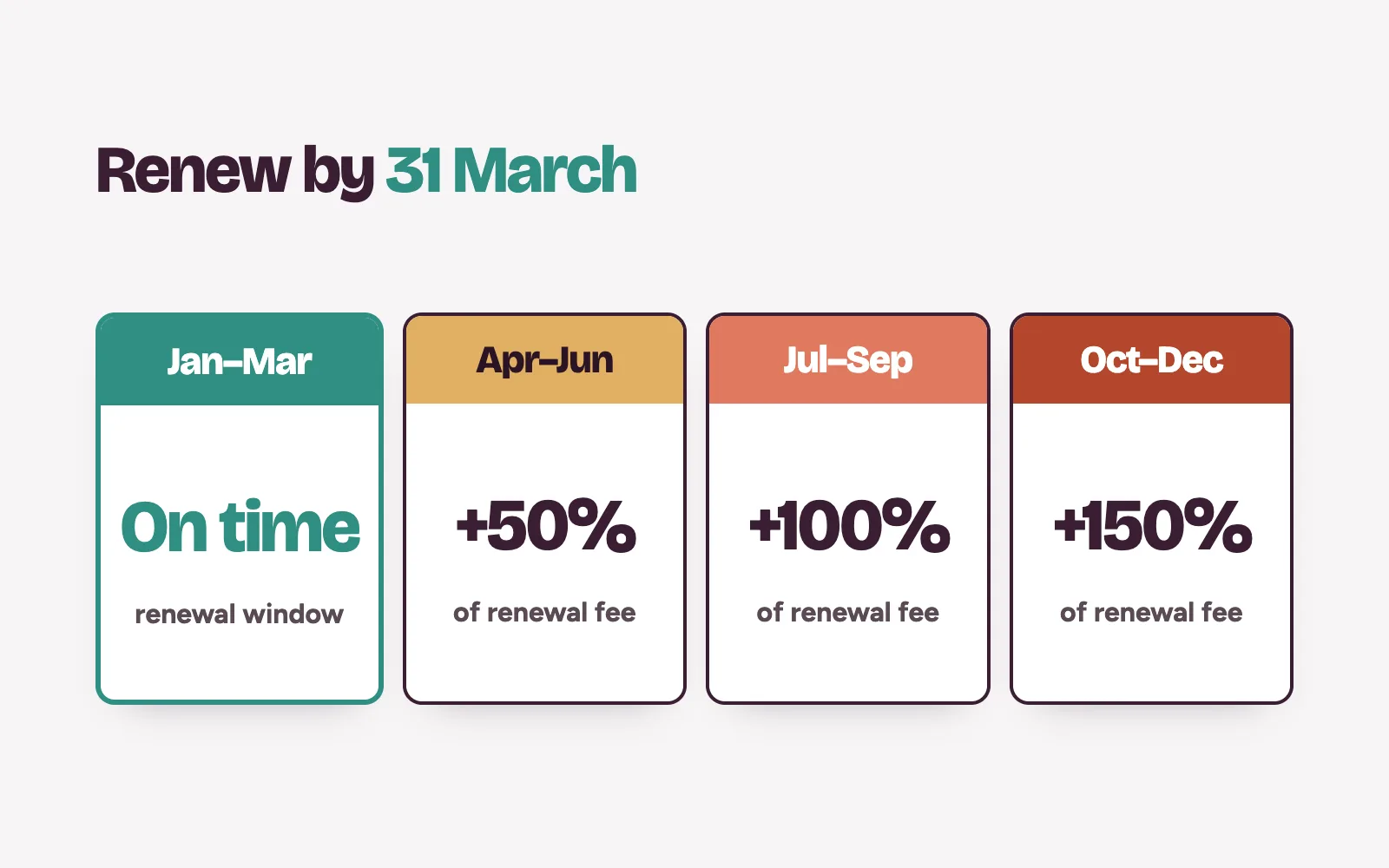
Every registration expires on 31 December. HEFAMAA says renewal is due between 1 January and 31 March each year, whenever you first registered. You renew on the same portal, and renewals go through an internal review.
Miss the window and the registration page adds a charge on top of your renewal fee:
When you renewLate charge (share of renewal fee) 1 January to 31 MarchNone stated April to June50% July to September100% October to December150%Registration and renewal fees depend on your facility type, and the agency publishes the schedule on its registration page. Check it before you budget. If you haven’t renewed for a year or more, the agency asks you to visit its office in Alausa, Ikeja.
Registered. Now fill your bookings.
A certificate lets you open the doors. It doesn’t bring a single patient through them.
Kren is a done-for-you growth partner for private clinics in Lagos and Abuja. We set up your Google Business Profile, website and ads so patients nearby find you, run the enquiry generation, and use booking management so no enquiry slips away. Your front desk makes the final follow-up and confirms each booking.
On a 30-minute strategy call, we look at where patients find you today and where they drop off. Show me where my clinic is losing patients →
Questions clinic owners ask about HEFAMAA registration
When is HEFAMAA renewal due?
Between 1 January and 31 March every year. All registrations expire on 31 December, whenever you first registered, and late renewal attracts a charge that rises each quarter.
Can a non-doctor own a private clinic in Lagos?
Yes. HEFAMAA allows it if the operating officer is a qualified medical practitioner with current licences and at least five years’ post-graduation experience. That officer signs a bond with the agency and is responsible for operations.
Does a second branch need its own HEFAMAA registration?
Yes. A main site and an annex register separately, even with the same owner and name. Each has its own operating officer, address and registration number.
What is the penalty for running an unregistered clinic in Lagos?
HEFAMAA’s FAQ lists a ₦100,000 fine for unregistered facilities, including clinics, dental clinics, laboratories and diagnostic centres.