Blog · Enquiries · 5 min read
How to reduce patient no-shows at your clinic
Empty slots cost more than one fee. Here is how clinics confirm, remind, reschedule and follow up so more booked patients walk in.
By the Kren Agency team ·
To cut patient no-shows at your clinic, confirm every booking clearly, remind patients before the visit, make it easy to change the time, and call within hours when someone misses. Then count your show rate every week so you know what works. Most of the fix sits in how your front desk handles the days between booking and the visit, and every patient no show you prevent is a paid slot your doctor keeps.
What does a patient no show cost your clinic?
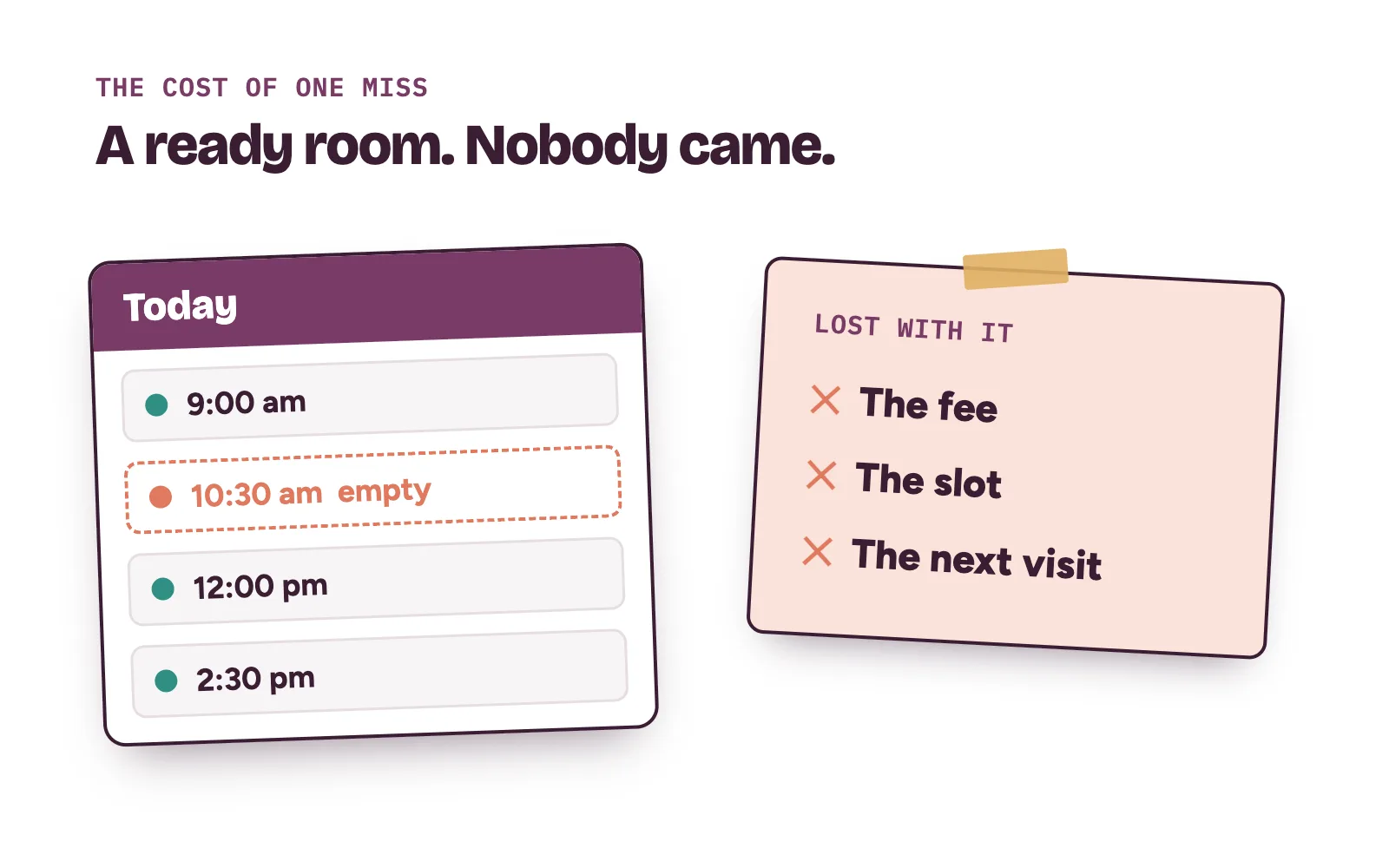
An empty slot costs more than one fee. Your doctor, nurse and room were ready. Another patient who wanted that time was told you were full. The follow-up treatment that visit would have led to never gets booked.
No-shows also hide. Many clinics never count them, so the loss just looks like a slow week.
1. Confirm the booking properly
A vague booking is easy to forget. “Come on Tuesday” leaves too much to memory. Close every enquiry with the full details, said back to the patient.
- Date, day and time. “Tuesday 4 November at 10:30am.”
- Where. The address, the nearest landmark and where to park.
- Who and how long. The doctor’s name and roughly how long the visit takes.
- How to change it. One number to call or message.
Then send the same details in writing. A patient who has the booking on their phone can find it again.
2. Remind patients before the visit
Reminders work. A Cochrane review of text message reminders (2013) found attendance was 78.6% with text reminders against 67.8% with none. The review rated that evidence low to moderate quality. It also found text reminders had about the same effect as phone call reminders.
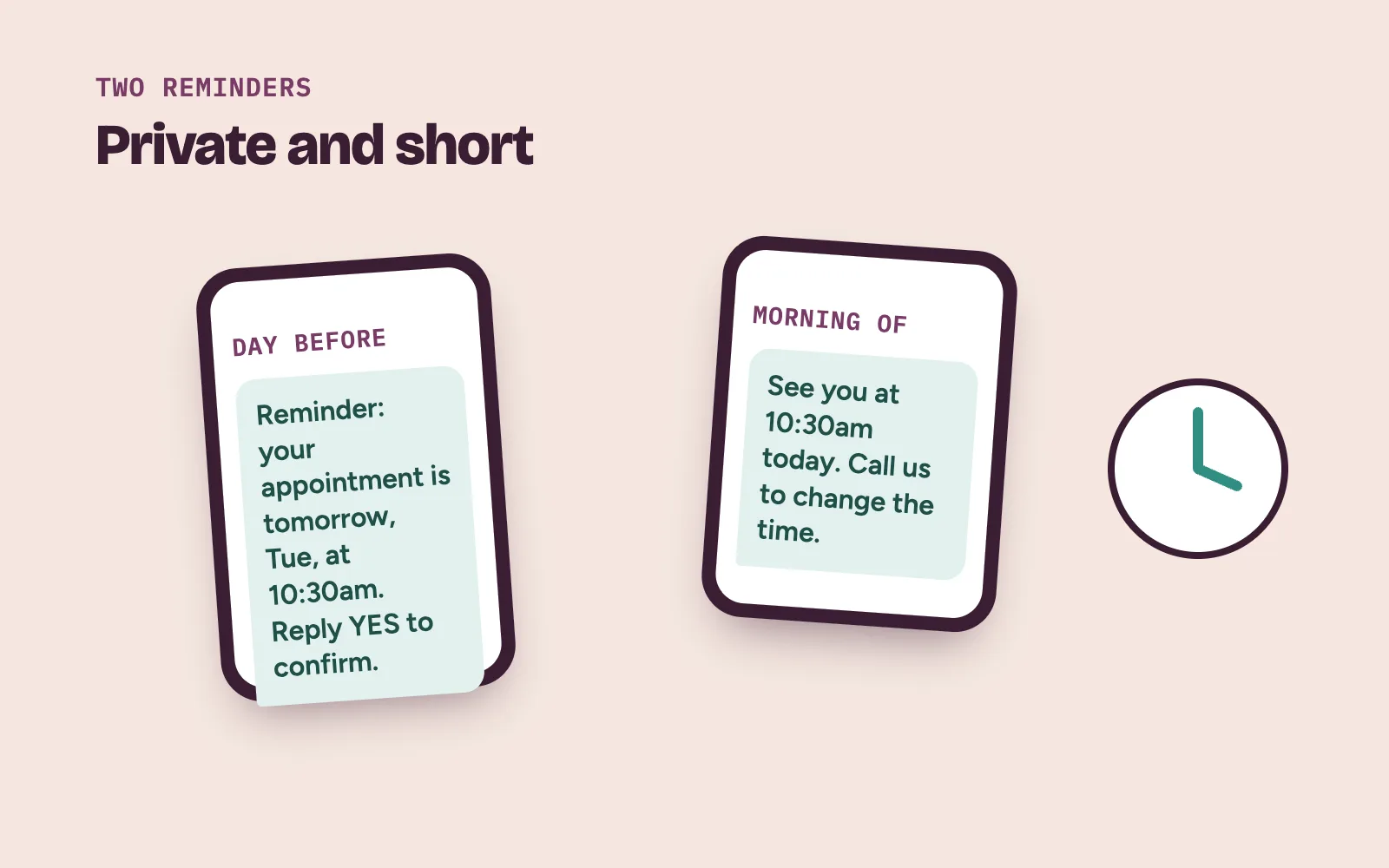
So pick the channel your front desk can keep up every day. Send a reminder the day before and a short note on the morning of the visit. For first visits and long procedures, a call from the front desk is worth the time.
Keep reminders private. Phones are shared, so leave treatment names out of every message. Our post on bulk SMS reminders in Nigeria covers the timing, wording and NCC rules in full.
3. Make changing the time easier than skipping
Many patients skip because cancelling feels awkward. They don’t want to explain, so they say nothing. Remove that friction.
- Ask for a reply. End each reminder with “Reply YES to confirm or call [clinic number] to change the time.”
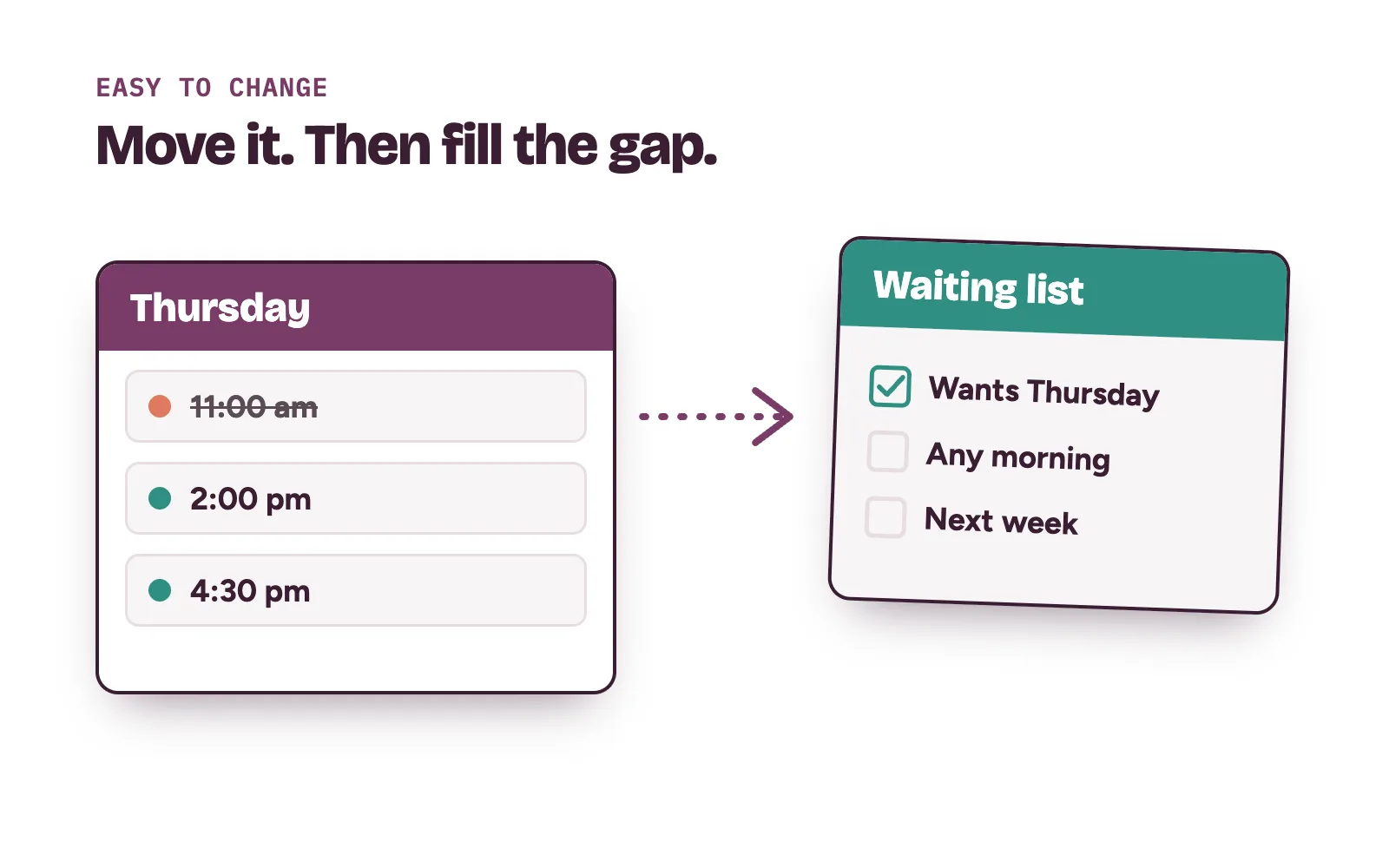
- Offer two times. When a patient can’t come, the front desk offers two specific slots. Choosing is easier than starting over.
- Thank them for telling you. A patient who cancels early is helping you. Say so.
- Keep a short waiting list. When a slot opens, call the patients who asked for an earlier time.
A rescheduled visit is a saved booking.
Should your clinic ask for a deposit?
That is your clinic’s decision. Some clinics ask for one on long procedures. Others never do.
If you choose to take one, say so at booking, before payment. Write down what happens if the patient cancels early, cancels late or doesn’t come. Apply it the same way to everyone. A deposit the patient didn’t understand turns into a complaint.
Fix confirmations, reminders and rescheduling first. Then decide if a deposit is still needed.
4. Follow up after a no-show the same day
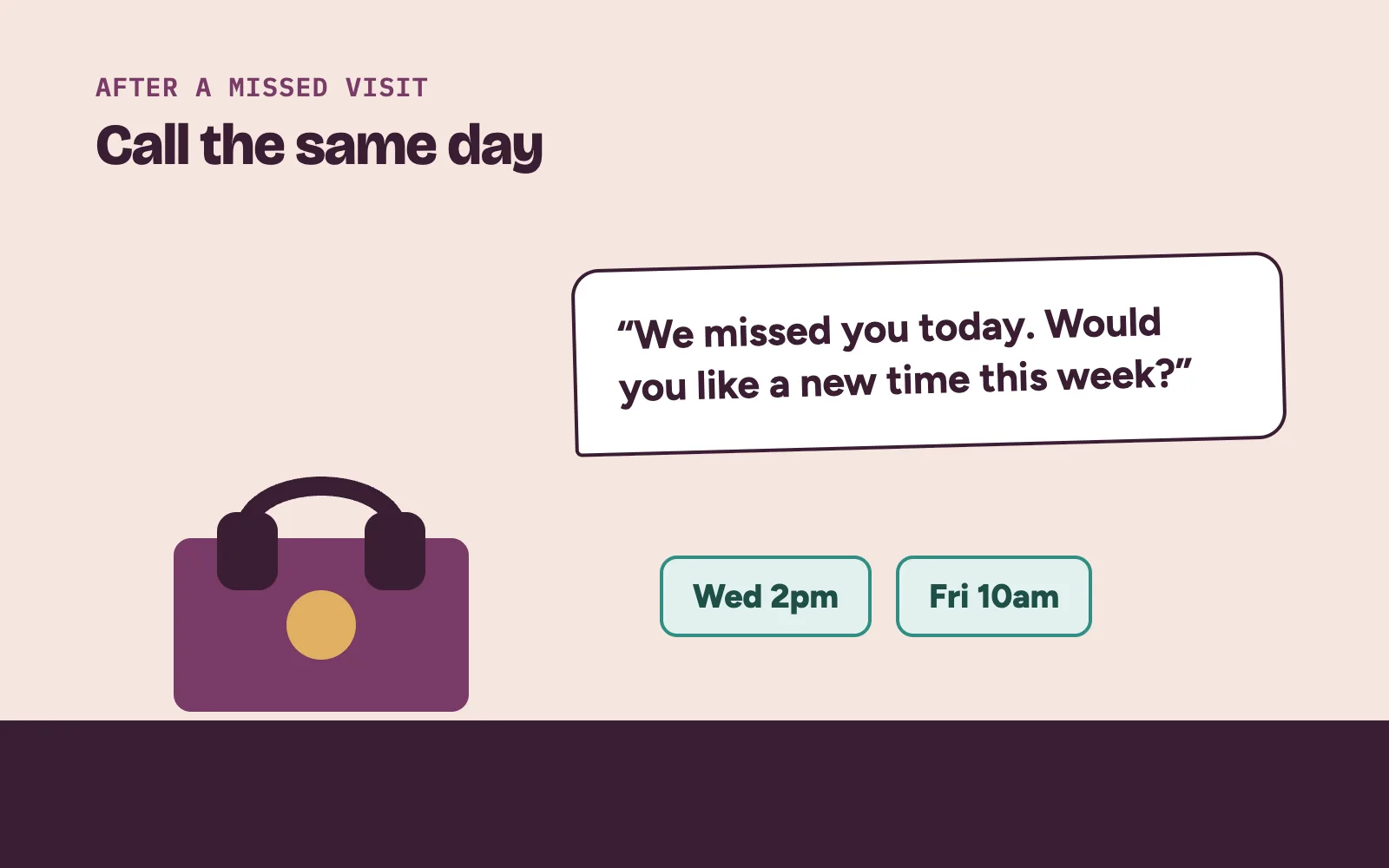
A missed visit is often a patient who still wants the treatment. Life got in the way. Reach them within a few hours, while they still remember why they booked.
Keep the call short and kind: “Hello [first name], we missed you today. Is everything alright? Would you like a new time this week?” No blame, and no treatment details on voicemail or in messages.
Try twice, by call and then by message. If there is no reply, note it and stop. Chasing for weeks puts people off coming back.
5. Measure your show rate every week
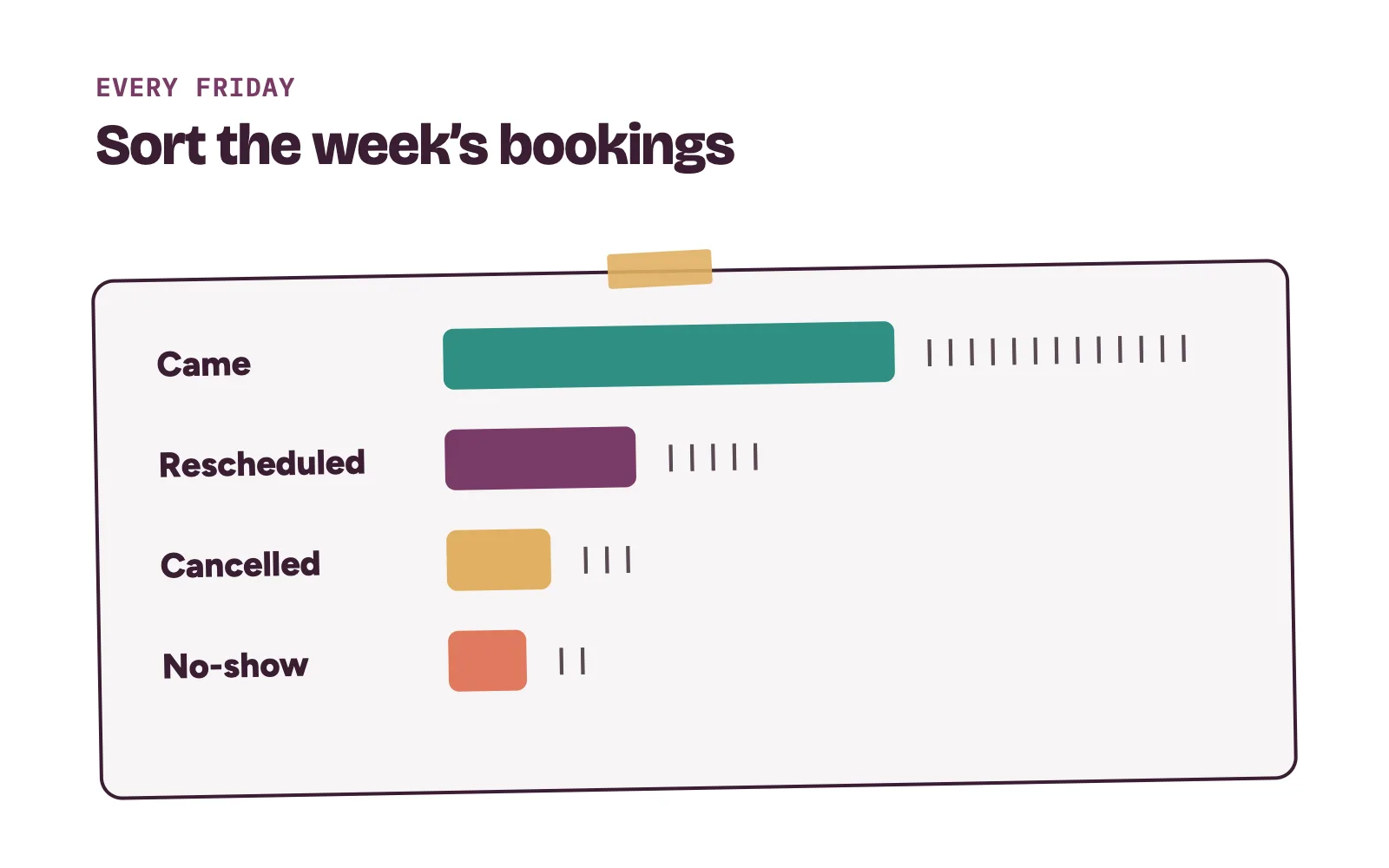
You can’t fix what you don’t count. Every Friday, take the week’s bookings and sort them into four groups.
- Came. The patient attended.
- Rescheduled. The patient moved the visit before the time.
- Cancelled. The patient told you and didn’t rebook.
- No-show. The patient didn’t come and didn’t tell you.
Your show rate is patients who came divided by patients still booked for that week. Then split the no-shows by day, doctor, type of visit and where the patient found you. If most come from one ad or one weekday, you know where to look. Your front desk owns these numbers, and our post on front desk customer service shows how to set standards they can meet.
How Kren helps clinics keep their bookings
Kren is a done-for-you growth partner for private clinics in Lagos and Abuja. We set up your confirmations, reminders and follow-up messages, write private wording for each visit type, and track your show rate with you each week. Your own front desk does the final follow-up and rebooking.
See how we handle bookings and no-shows and patient follow-up. On a 30-minute strategy call, we look at where booked patients slip away and what to fix first. Show me where my clinic is losing patients →
Questions clinic owners ask about patient no shows
What is a good show rate for a clinic?
There is no single target that fits every clinic. A first consultation behaves differently from a review visit. Track your own rate weekly and aim to beat last month’s number.
Are text reminders or phone calls better?
The Cochrane review found they had about the same effect on attendance. Texts take less staff time. Use calls for first visits and long procedures, where a missed slot hurts most.
How soon after a missed appointment should we call?
The same day, within a few hours. The patient still remembers why they booked. Offer a new time on the call.
Should we stop booking patients who miss often?
That is a policy each clinic sets for itself. Before any rule, check your confirmations and reminders reached them. Many repeat no-shows are patients who never got a clear confirmation.