Blog · Enquiries · 5 min read
Email marketing for clinics that patients actually open
Clinic emails often go unread or land in spam. Here is how to ask for consent, what to send, how often, and how to count the bookings email brings.
By the Kren Agency team ·
Email marketing for clinics works when patients agreed to hear from you, every message is useful to them, and nothing in it exposes their health. Send visit details, recall notes and plain health tips at a steady pace, make leaving the list easy, and count the bookings each email brings. Done that way, email marketing brings past patients back without costing their trust.
Why most clinic emails never get opened
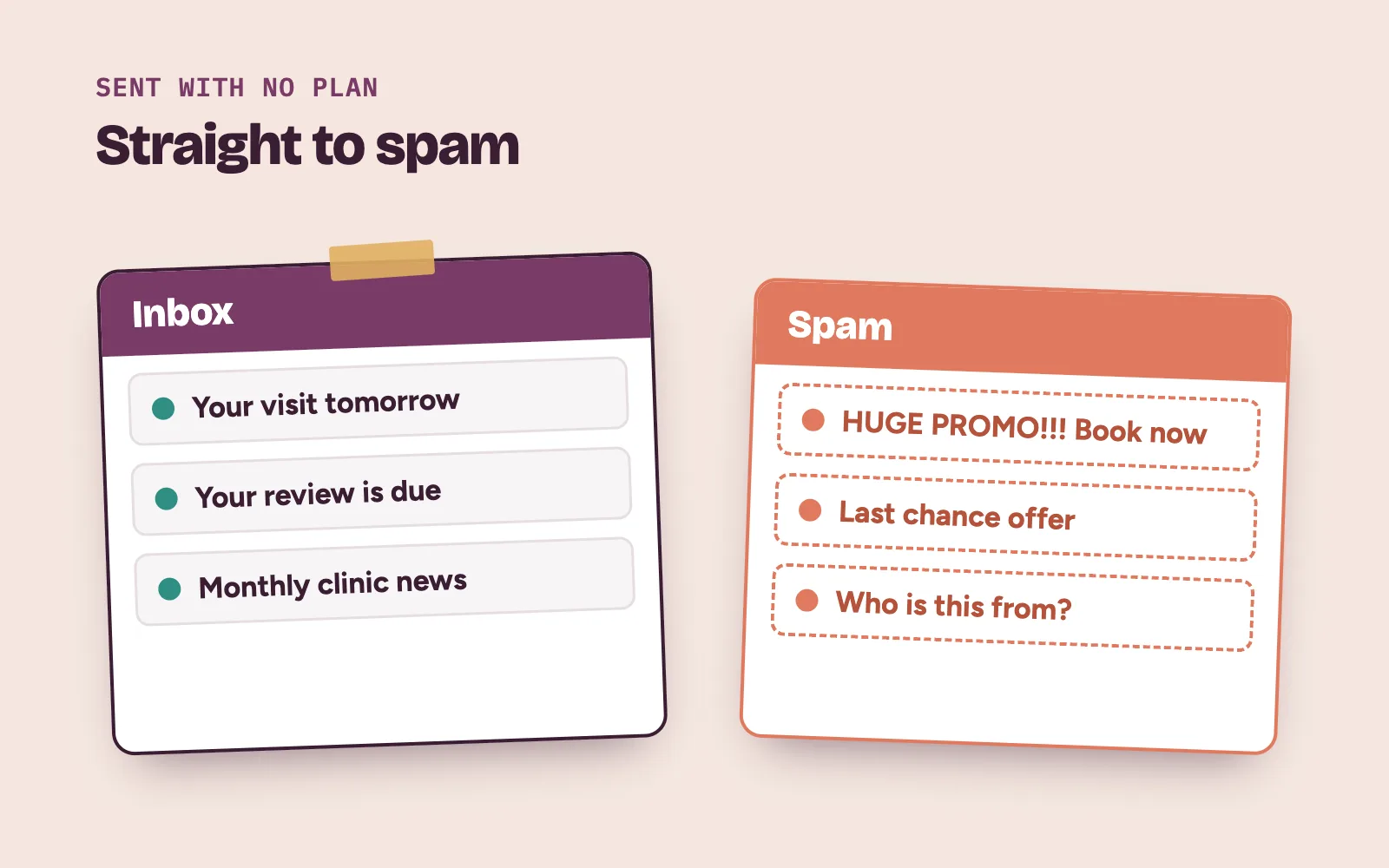
The usual story goes like this. The front desk collects addresses for a year. Nobody sends anything. Then one day a promotion goes to the whole list.
Patients don’t remember signing up. Some mark it as spam. The email provider notices, and the next message lands in spam for everyone, including the patients who wanted it.
The fix is simple: ask properly, send things patients need, and keep a steady rhythm.
Start with consent you can show
In Nigeria, the Nigeria Data Protection Commission’s General Application and Implementation Directive (GAID) 2025, issued under the Nigeria Data Protection Act 2023, says consent is required for any direct marketing activity. It also requires consent for processing sensitive personal data.
The same directive says a clinic relying on consent must keep a proper record of it. Withdrawing consent must be as easy as giving it. Refusing must not count against the patient. And people must get a clear option to accept or decline.
In practice, that means:
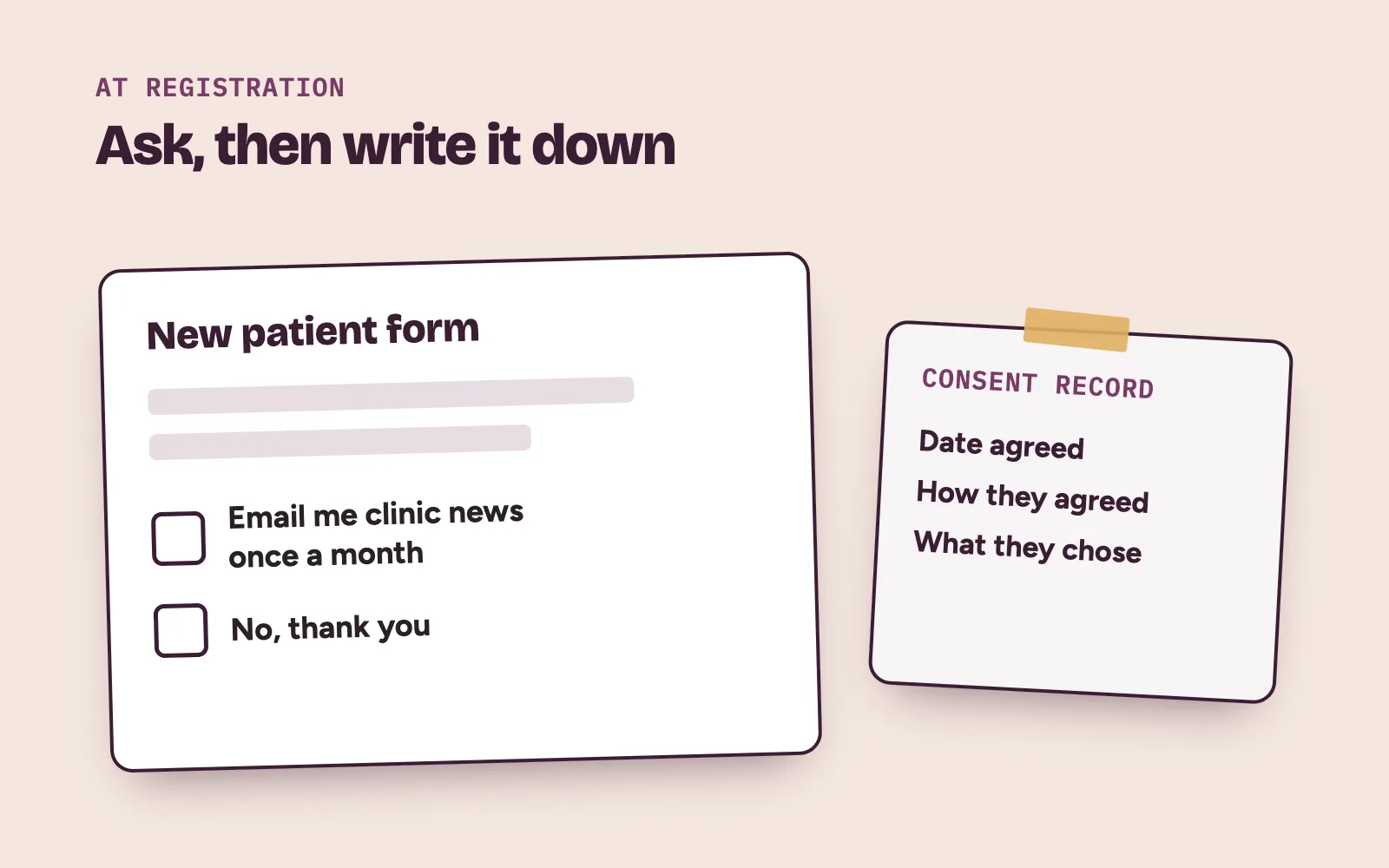
- Ask separately. Put an empty tick box on the registration form or online booking page: “Email me clinic news once a month.” Never tick it for them.
- Say what you will send. Name the kinds of emails and how often.
- Keep the record. Note the date, where they agreed and what they chose.
- Never buy lists. Email only people who said yes to your clinic.
What should a clinic send patients by email?
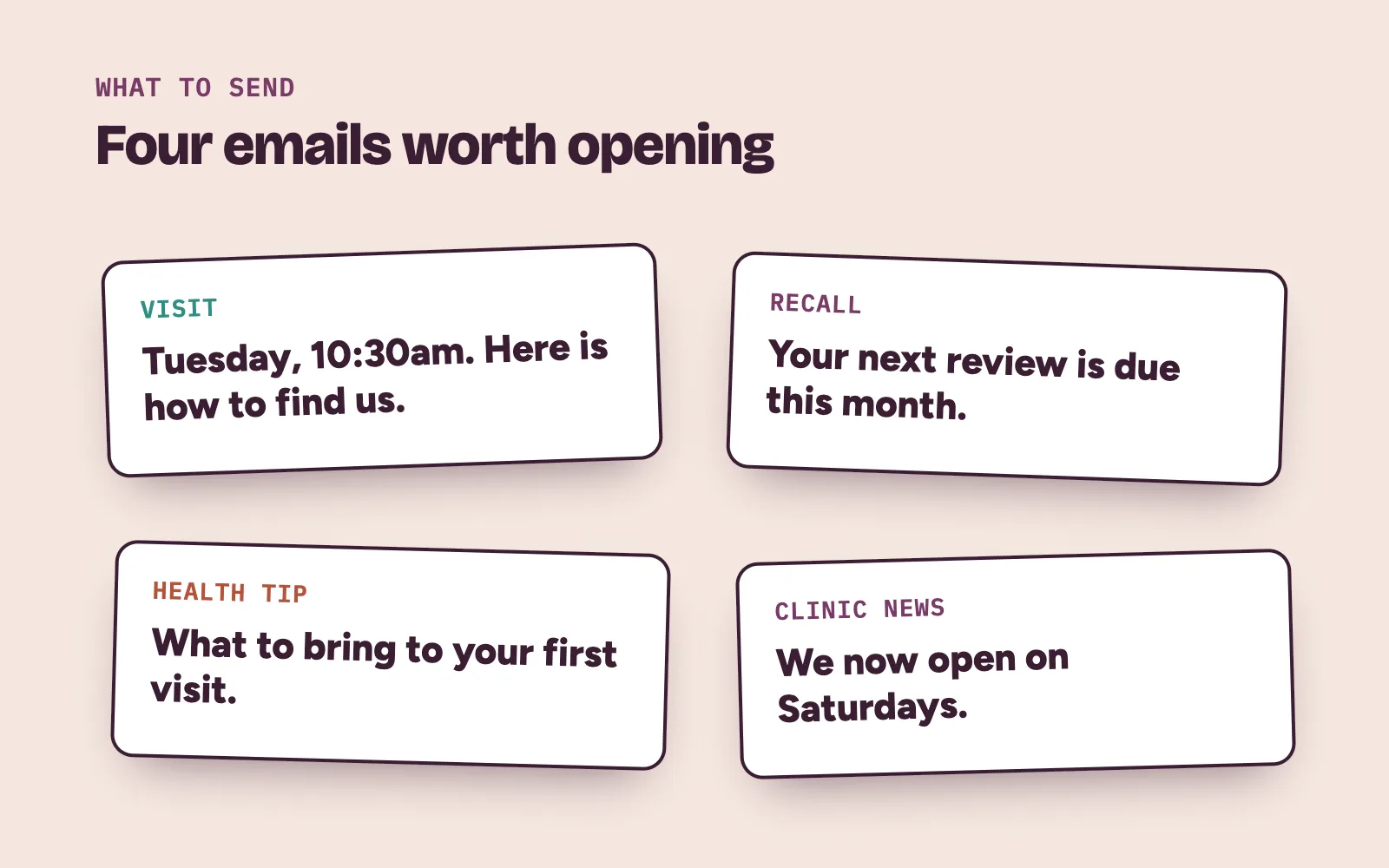
Every email should answer one question for the patient: why is this worth opening? Four kinds pass that test.
Visit details
Date, time, address, nearest landmark and how to change the time. Patients search their inbox for these. Pair them with reminders, as covered in our post on reducing patient no-shows.
Recall notes
“Your next review is due this month. Call us or book online.” Recall brings back patients who already trust you. Name the visit, never the condition.
Health tips without promises
What to bring to a first visit, how to prepare for a scan, when to see a doctor. Keep it general. No promised results, no before-and-after claims, no pressure.
Clinic news
A new doctor, new opening hours, a second branch. Short and practical.
How often should a clinic send emails?
Steady beats loud. Gmail’s sender guidelines advise sending at a consistent rate, avoiding bursts, and starting with a low volume to engaged people before increasing slowly.
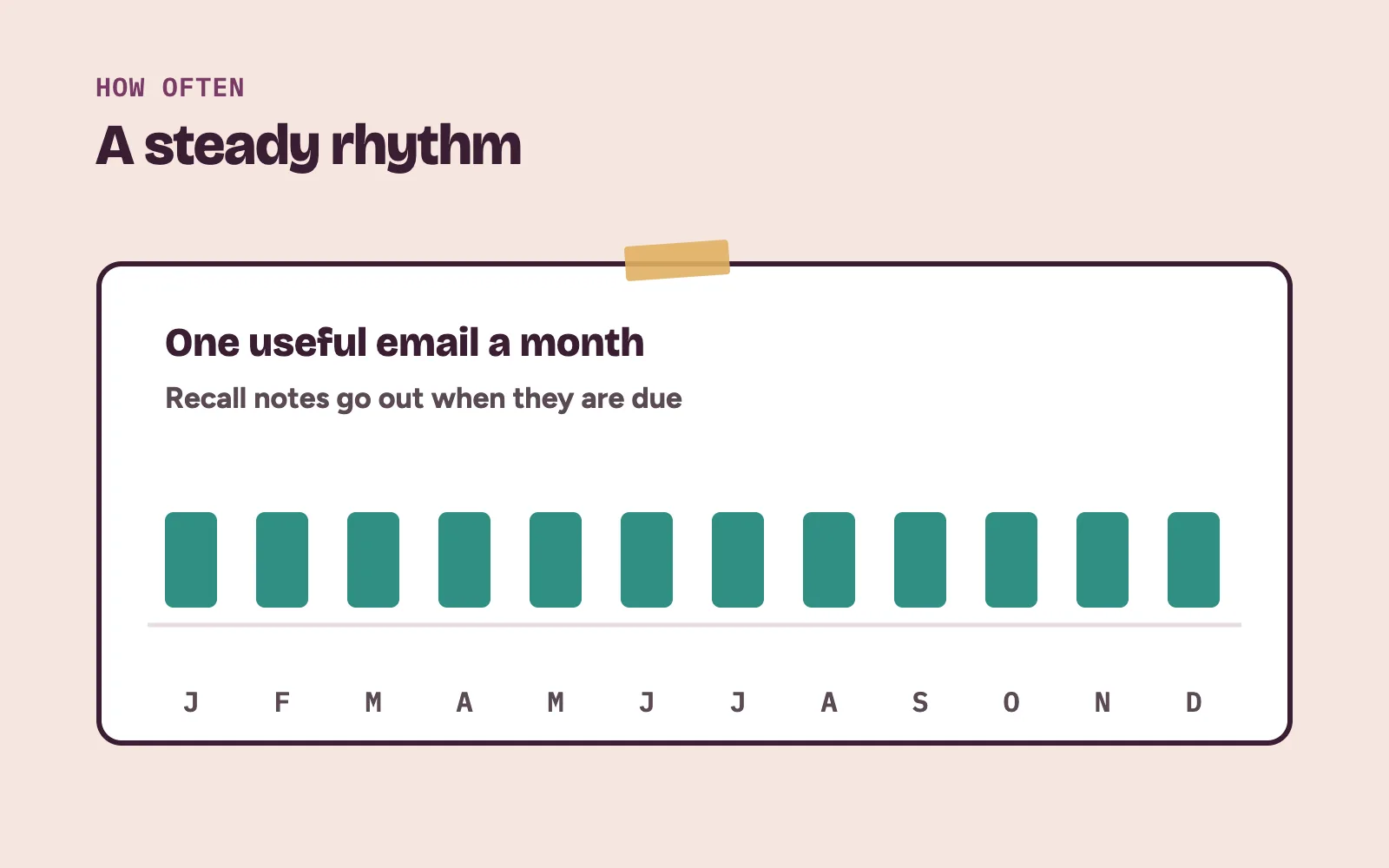
For many clinics, one useful email a month is plenty. Recall notes go out when each patient is due. Visit emails go out when a booking is made.
Gmail’s guidelines also tell every sender to make sure recipients opt in. Senders of more than 5,000 messages a day to Gmail must support one-click unsubscribe and show an unsubscribe link in the body. They must also set up email authentication on their domain. Ask whoever runs your email to confirm this is done.
Keep health details out of every email
Inboxes are shared. Phones show subject lines on the lock screen. A work inbox may be read by an assistant.
- No treatment names or results in the subject line or the body.
- Group lists by visit date, never by condition.
- Never put patient addresses together in the To or CC line. Use a proper email service that sends each person their own copy.
- Move personal questions to a call. “Call us on [clinic number] and we’ll go through it.”
Measure the bookings each email brings
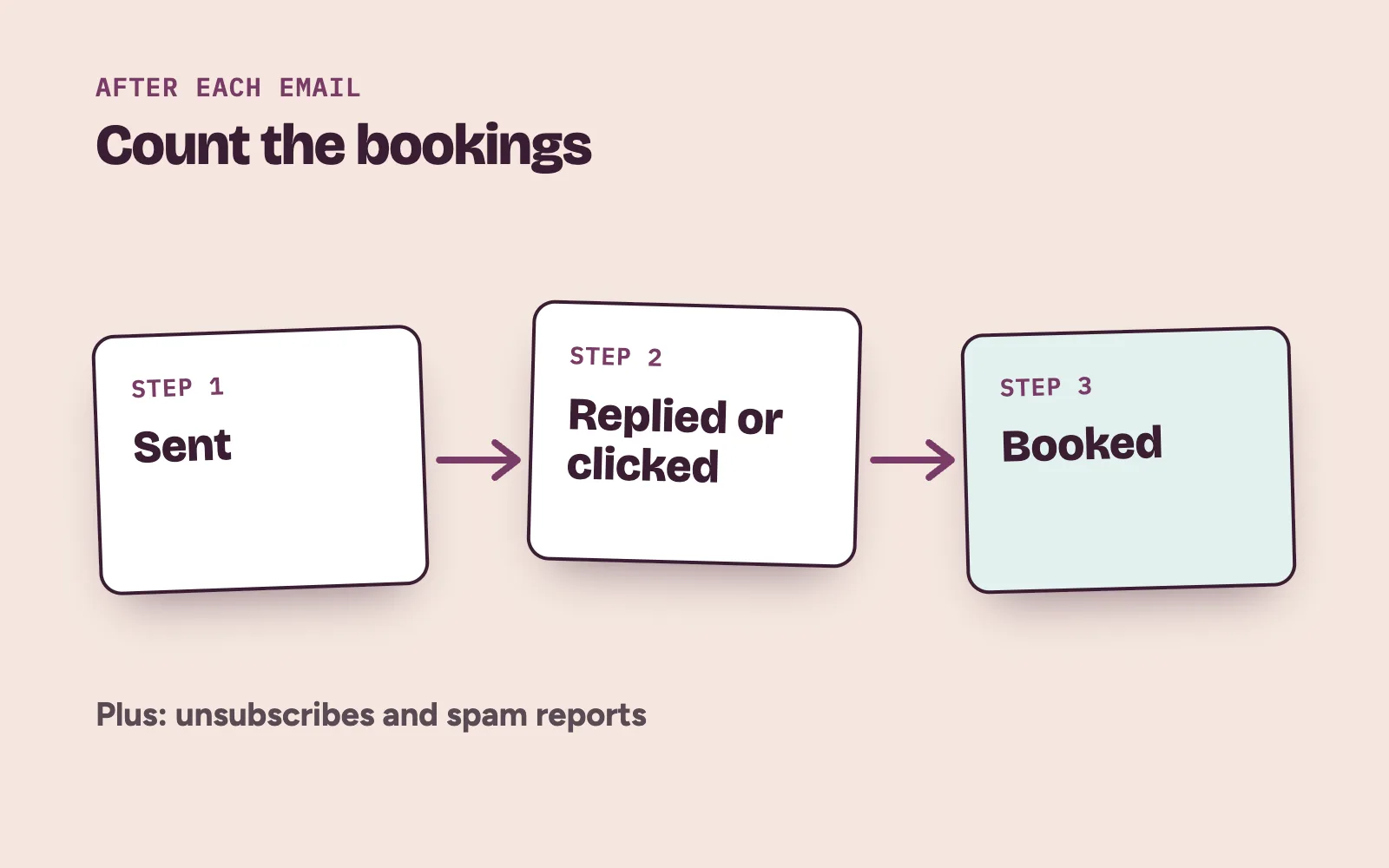
Opens are a rough signal. Bookings pay the bills. After each send, count four things:
- Replies and calls that mention the email.
- Clicks to your booking page.
- Bookings made in the following week from those patients.
- Unsubscribes and spam reports. Gmail asks all senders to keep spam rates in Postmaster Tools below 0.3%.
Ask every new booking how they heard from you, and write it down. Our post on the clinic sales system shows where email sits next to Google, ads and the front desk.
How Kren helps clinics follow up by email
Kren is a done-for-you growth partner for private clinics in Lagos and Abuja. We set up your follow-up automations, write private wording for visit and recall emails, and track the bookings they bring. Your own team does the final follow-up and booking.
See how we handle patient follow-up and bookings. On a 30-minute strategy call, we look at where past patients drift away and what to fix first. Show me where my clinic is losing patients →
Questions clinic owners ask about email marketing
Can we email every patient in our records?
Not for marketing without their consent. The NDPC’s GAID 2025 requires consent for any direct marketing activity. Ask patients at their next visit or booking, and record their answer.
Is email better than SMS or WhatsApp for clinics?
They do different jobs. Email suits monthly news and longer health tips. Short reminders on the day are often better by text, as our post on bulk SMS reminders explains.
What should a clinic email subject line say?
Something useful and private, like “Your review is due this month” or “We now open on Saturdays.” Never a treatment name or a result. Avoid capital letters and pressure.
What do we do when a patient unsubscribes?
Remove them from marketing emails and note the date. The GAID says withdrawing consent must be as easy as giving it. Keep sending the visit details they need for bookings they make.