Blog · Growth · 6 min read
How to increase clinic revenue without more patients
Revenue leaks through no-shows, unfinished courses, missed recall and slow replies. Here is how to earn more from the patients your clinic already has.
By the Kren Agency team ·
How to increase clinic revenue without more patients: earn more from the people already finding you. Get more booked patients to turn up, help more of them finish the treatment their doctor advised, bring them back when care is due and stop enquiries slipping away unanswered. Most clinics in Lagos and Abuja lose more money at these points than they would make from a new ad.
Why more patients is often the expensive answer
When revenue is flat, the instinct is to buy more ads. But every new patient costs money to win. If half of them never show up, stop after one visit or never hear from you again, a bigger ad budget only pours more into a leaking bucket.
The patients you already paid to attract are your cheapest revenue.
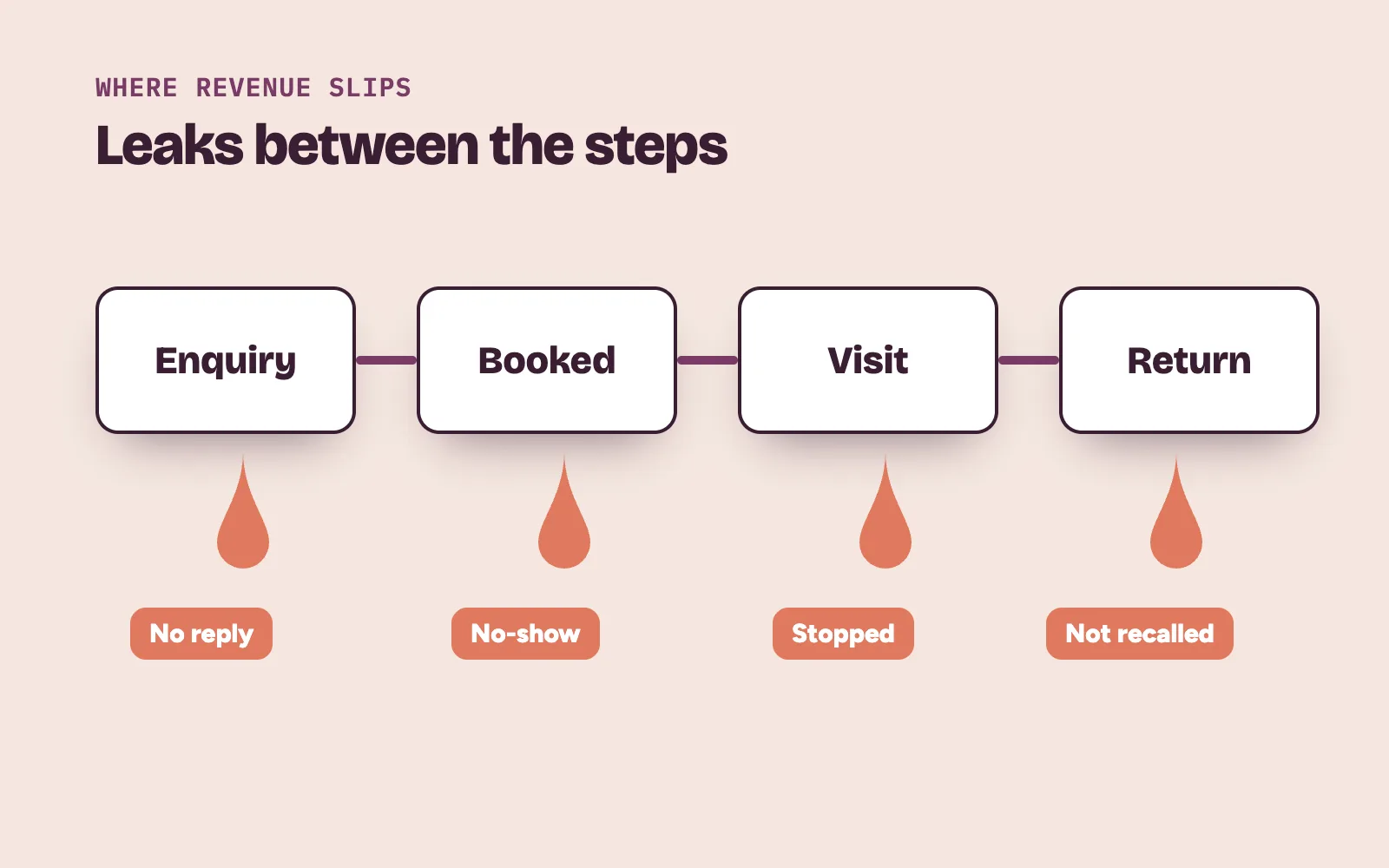
1. Raise your show rate
A booked patient who doesn't arrive is an empty slot your team still paid for. Fixing no-shows is usually the fastest revenue win.
- Confirm every booking on the day it is made, with the date, time and address.
- Remind twice: the day before and the morning of the visit.
- Make rescheduling easy so patients move their slot instead of skipping it.
- Call no-shows the same day and offer a new date.
Reminders are worth the effort. A Cochrane review of text message reminders found they increase attendance at healthcare appointments compared with no reminder, and work about as well as phone call reminders at lower cost. Our post on reducing patient no-shows covers the wording.
2. Help patients finish the treatment they started
Physiotherapy, orthodontics, fertility care and many aesthetic treatments run as a course. Patients who book one session at a time often drift off halfway.
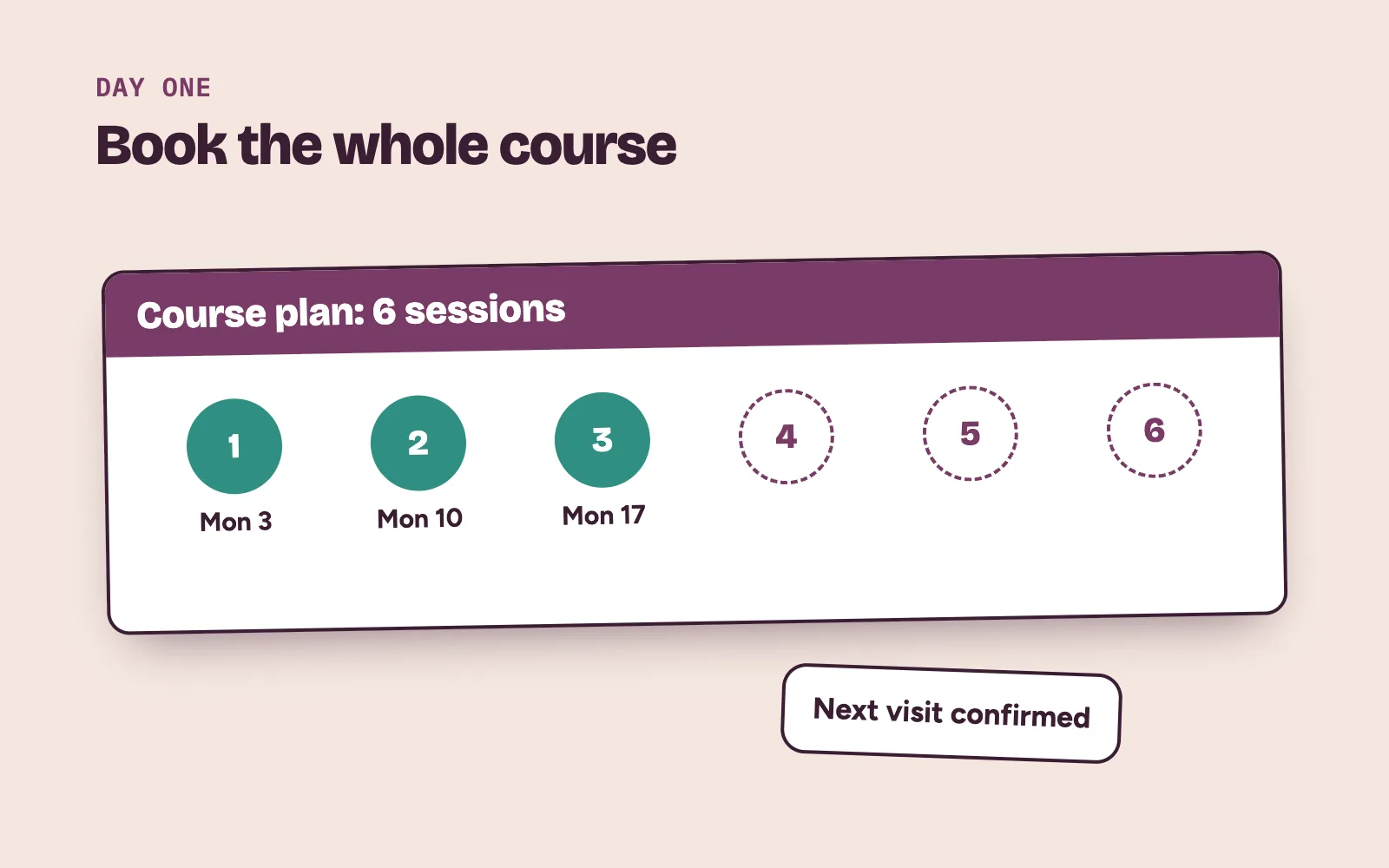
- Explain the whole plan at the first visit: how many sessions and roughly how far apart.
- Book the next few dates before the patient leaves.
- Confirm the next visit at every visit.
- Call the same day when a session is missed.
A finished course is better care and full revenue for the plan the doctor already recommended.
3. Run recall for patients who are due
Check-ups, scans, cleanings and reviews come due whether the patient remembers or not. Recall is how you bring them back.
Keep one list with each patient's name, phone number, the type of visit due and the due month. Each week, one named person at the desk contacts everyone due next month and marks who booked. Get the patient's permission for these messages and make stopping easy.
Our post on customer retention for clinics walks through recall lists, check-ins after treatment and feedback in detail.
4. Present treatment clearly at the consultation
Many patients leave a consultation unsure what the doctor recommended, what it costs or what happens next. Unsure patients say "let me think about it" and rarely return.
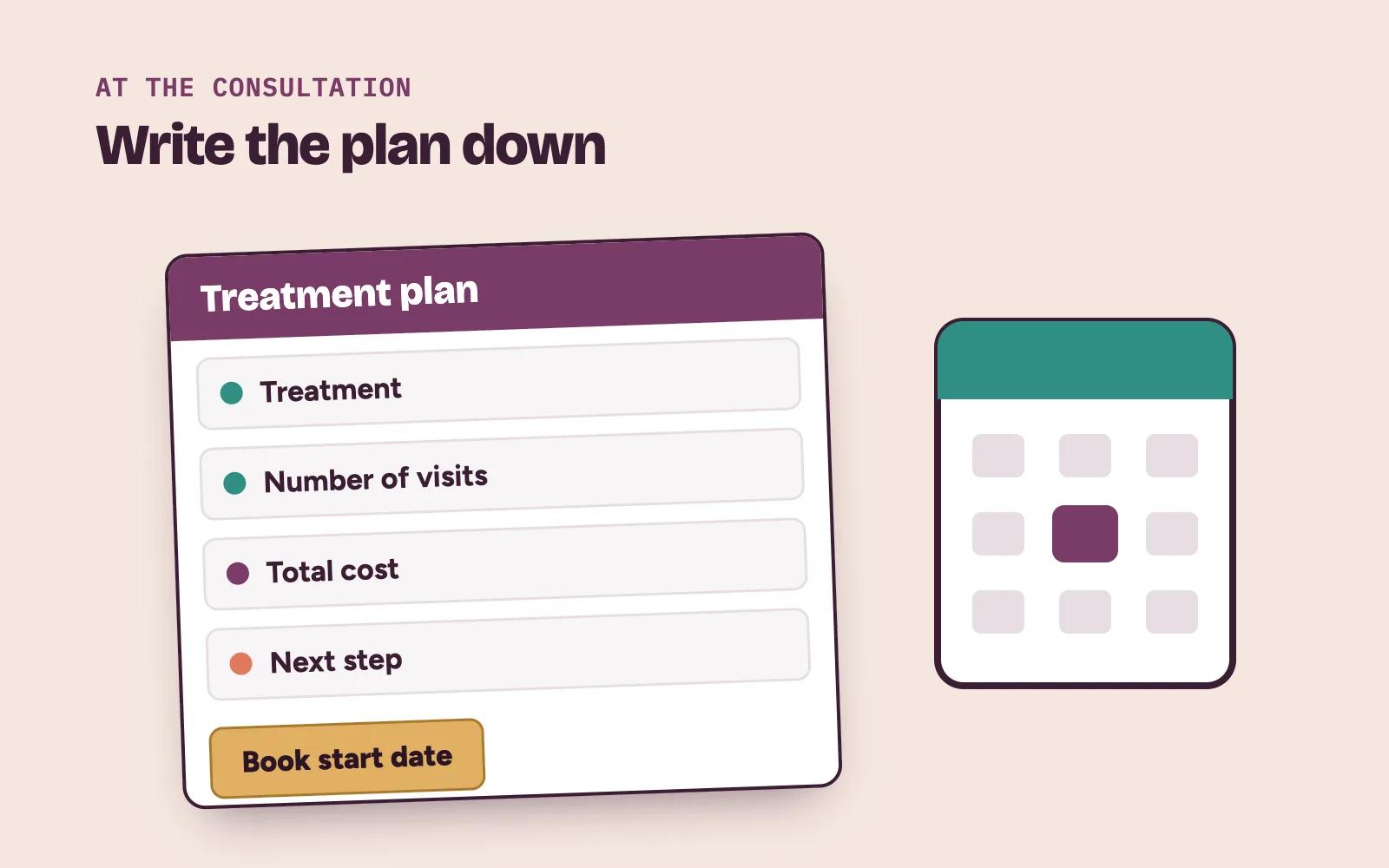
- Write the plan down: the treatment, the number of visits and the total cost.
- Show the options the doctor considers suitable, with the price of each.
- Name the next step: a date to start, or a follow-up call on a set day.
- Follow up with patients who said they would think about it.
This is honest selling. The patient decides with full information, and nobody is pushed toward care they don't need. Medical advertising rules still apply: no promised outcomes.
5. Package courses and review your prices
When a treatment needs several sessions, a package priced for the full course can make the decision simpler. The patient agrees once, and the course is more likely to be finished.
Review your prices at least once a year. Check what each treatment costs you in staff time, consumables and equipment, and compare with clinics nearby offering similar quality. A price set years ago may no longer cover the work.
Make prices easy to find. Google lets some businesses add services with descriptions and prices to their Business Profile, according to Google's help page on adding services. Our post on presenting aesthetic treatment prices and packages shows how to word them.
6. Close the leaks before the booking
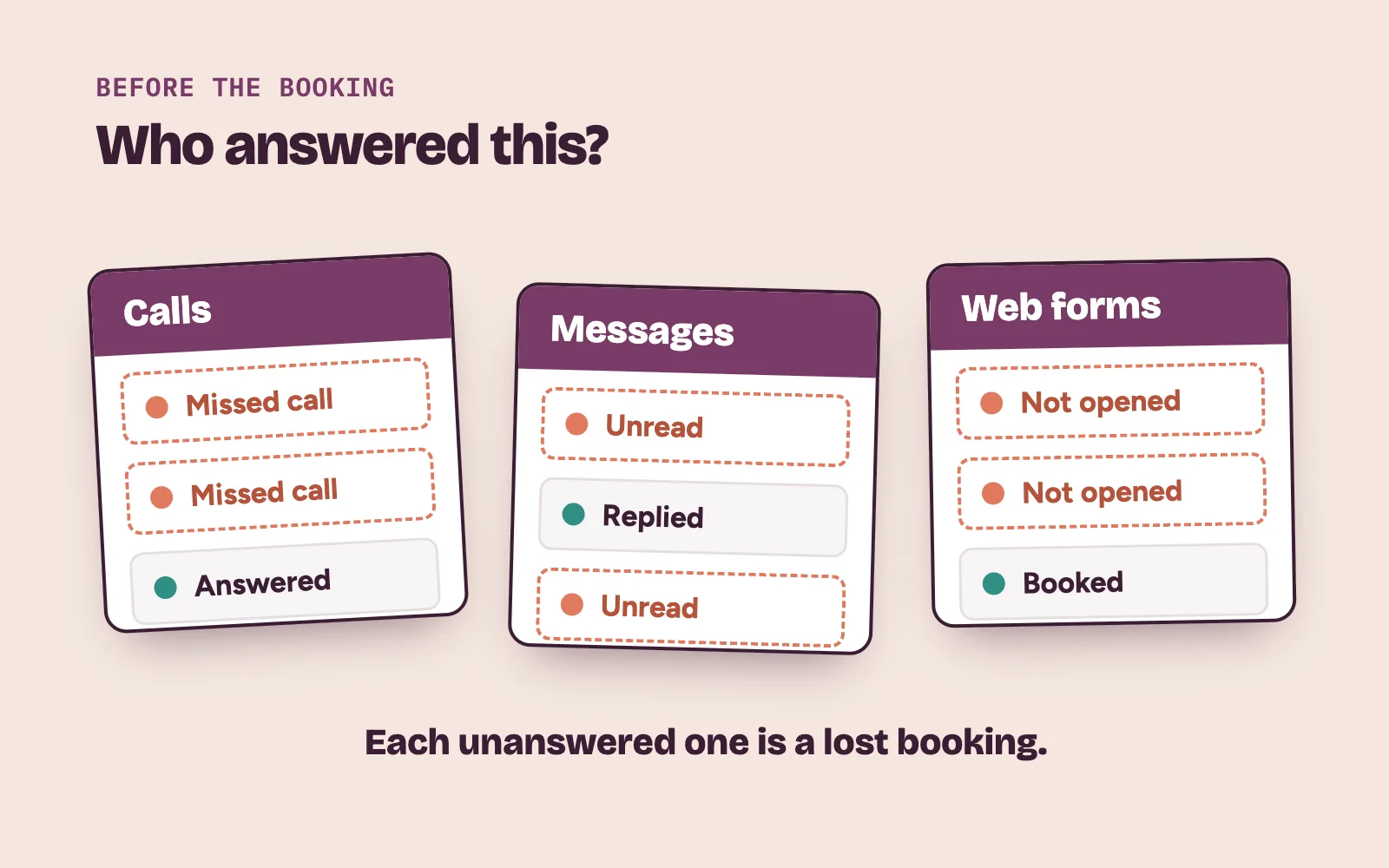
Revenue also slips away before a patient ever books. Calls go unanswered at lunchtime. Messages sit for hours. Website forms land in an inbox nobody checks.
Count last week's enquiries, how many became bookings and how fast each was answered. Slow replies waste the marketing you already paid for.
How to track clinic revenue from existing patients
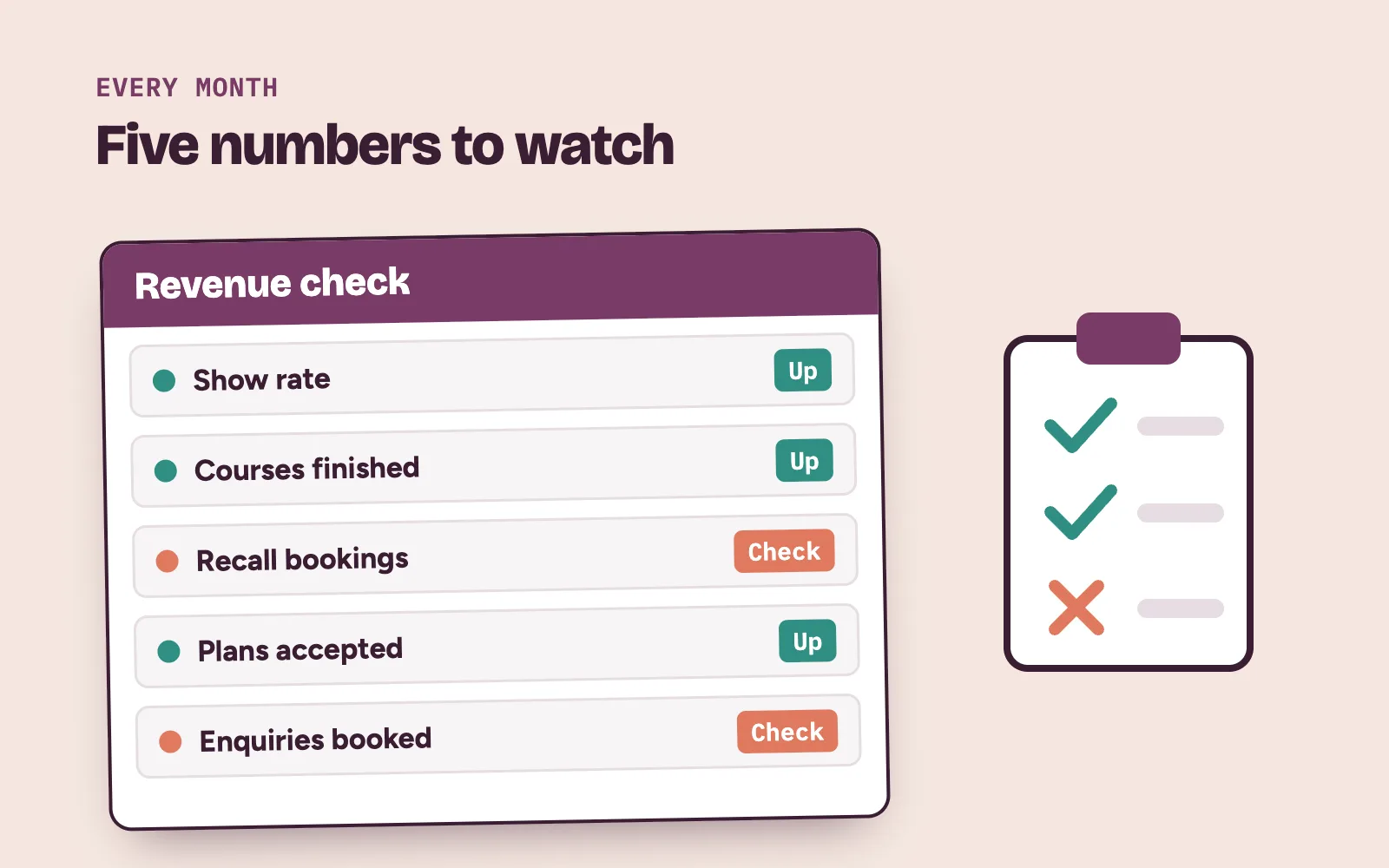
To see how to increase clinic revenue at your own clinic, check five numbers every month:
- Show rate: of patients booked, how many arrived.
- Courses finished: of patients who started a course, how many completed it.
- Recall bookings: of patients contacted, how many booked.
- Plans accepted: of treatment plans presented, how many started.
- Enquiries booked: of enquiries received, how many booked.
When one number drops, you know which step to fix. The clinic sales system post shows how these steps fit together.
How Kren helps clinics earn more from the patients they have
Kren is a done-for-you growth partner for private clinics in Lagos and Abuja. We set up reminders, recall and follow-up as follow-up automations, help your desk manage bookings, and shape how treatment plans are presented through sales strategy. Your own team does the final follow-up and booking.
On a 30-minute strategy call, we look at where your clinic loses revenue and what to fix first. Show me where my clinic is losing patients →
Questions clinic owners ask about increasing revenue
Should we raise our prices to increase clinic revenue?
Sometimes, if your costs have risen and your prices haven't moved. Start with no-shows, unfinished courses and missed recall, because those recover money without changing what patients pay.
Which fix usually brings revenue back fastest?
Show rate and enquiry replies tend to move quickest, because the patients already exist. Reminders and faster replies can start this week with the team you have.
Are treatment packages allowed for clinics?
Many clinics offer packages for treatments that need several sessions. Check any package or offer against your professional code and your regulator's guidance, and never promise results.
Who should own recall and follow-up?
Give it to one named person at the front desk with a set time each week. When everyone owns it, nobody does it.